
Light from Tate: 1700s to Now
Auckland Art Gallery Toi o Tāmaki
03.04.23
During Art Theory class, we went on a trip to the Auckland Art Gallery. I was able to see the Light from Tate: 1700s to Now exhibition. In this exhibition, Tate combined paintings, photography, drawings, sculptures and installations. These works shows different changing forms of light.
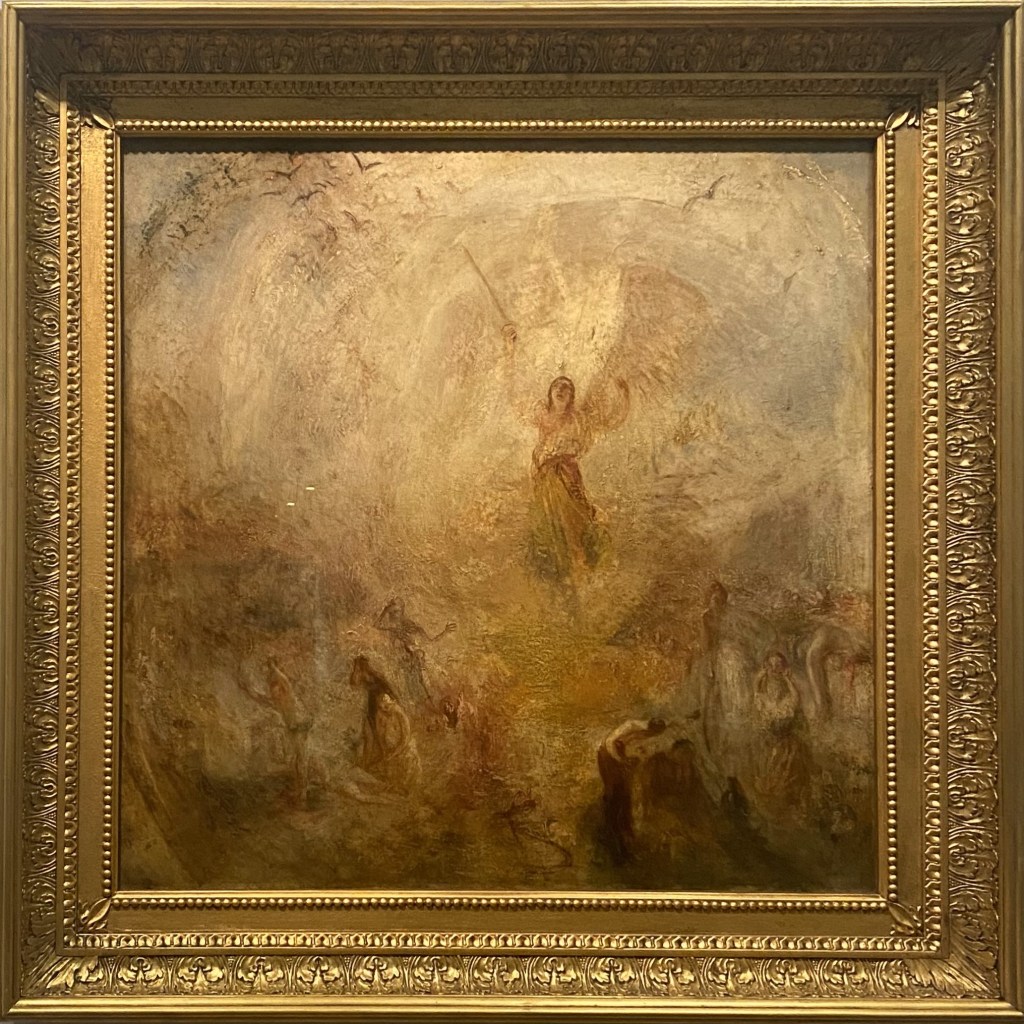
The Angel Standing in the Sun
Joseph Mallord William Turner
(1846)
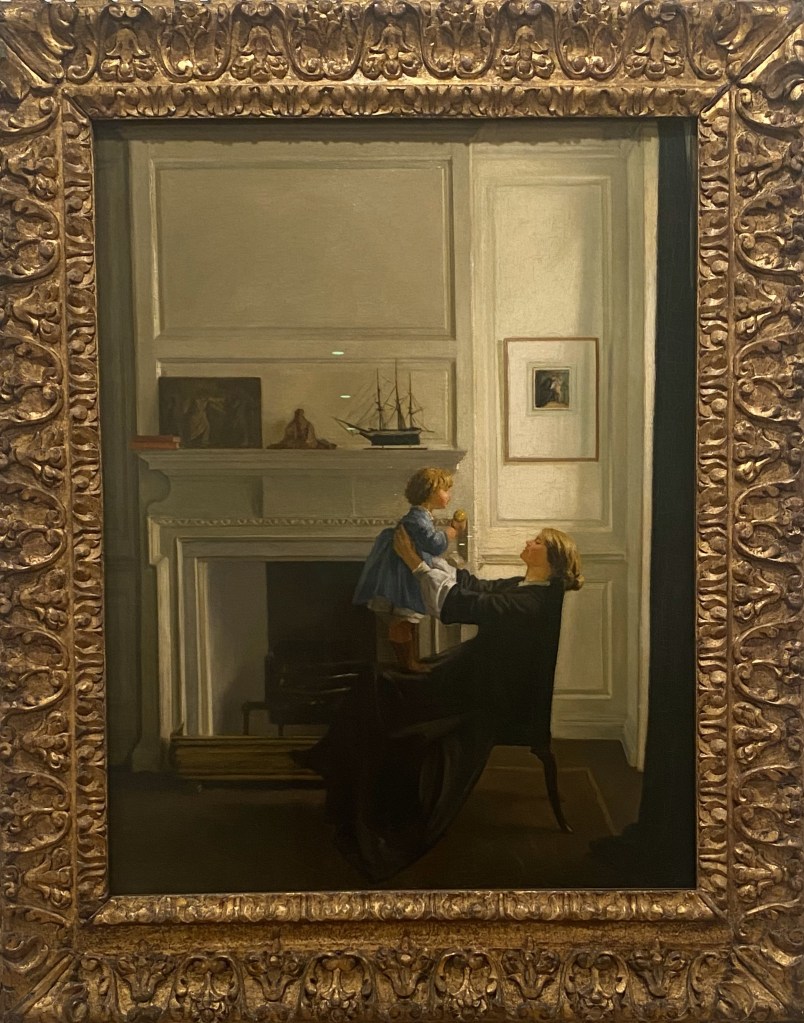
Mother and Child
Sir William Rothenstein
(1903)
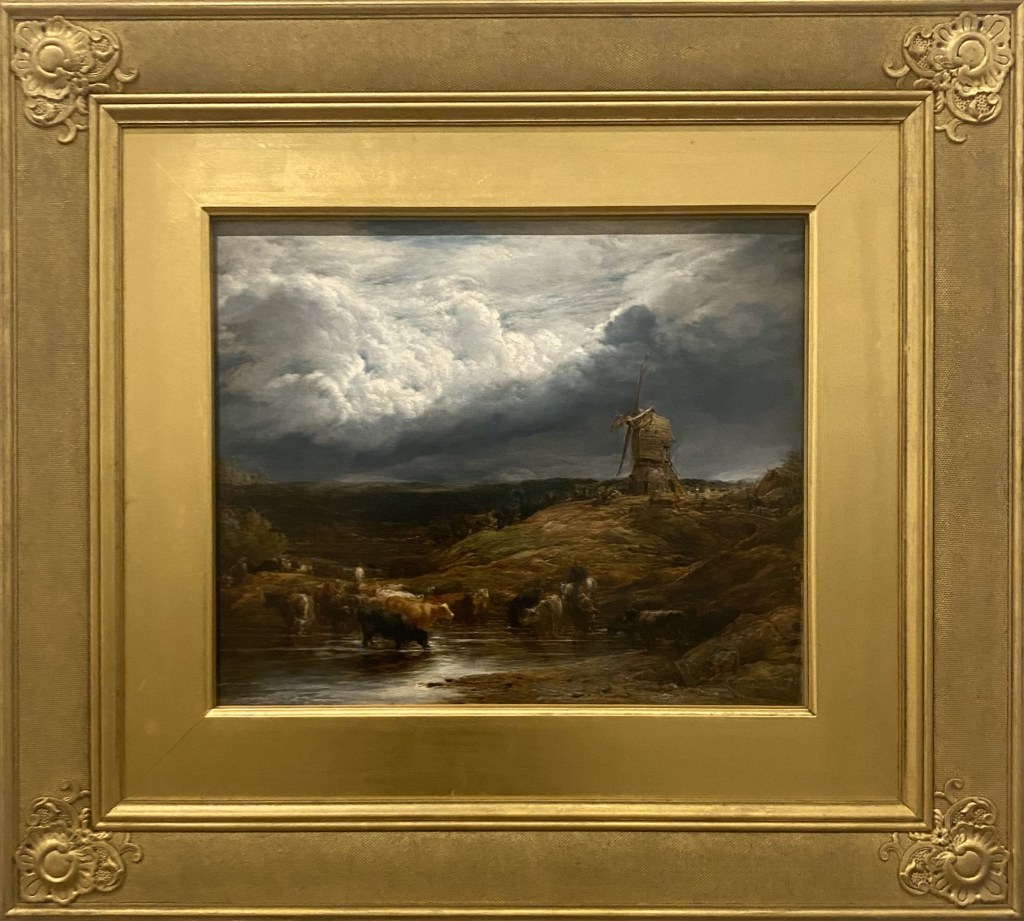
Landscape (The Windmill)
John Linnell
(1844-45)
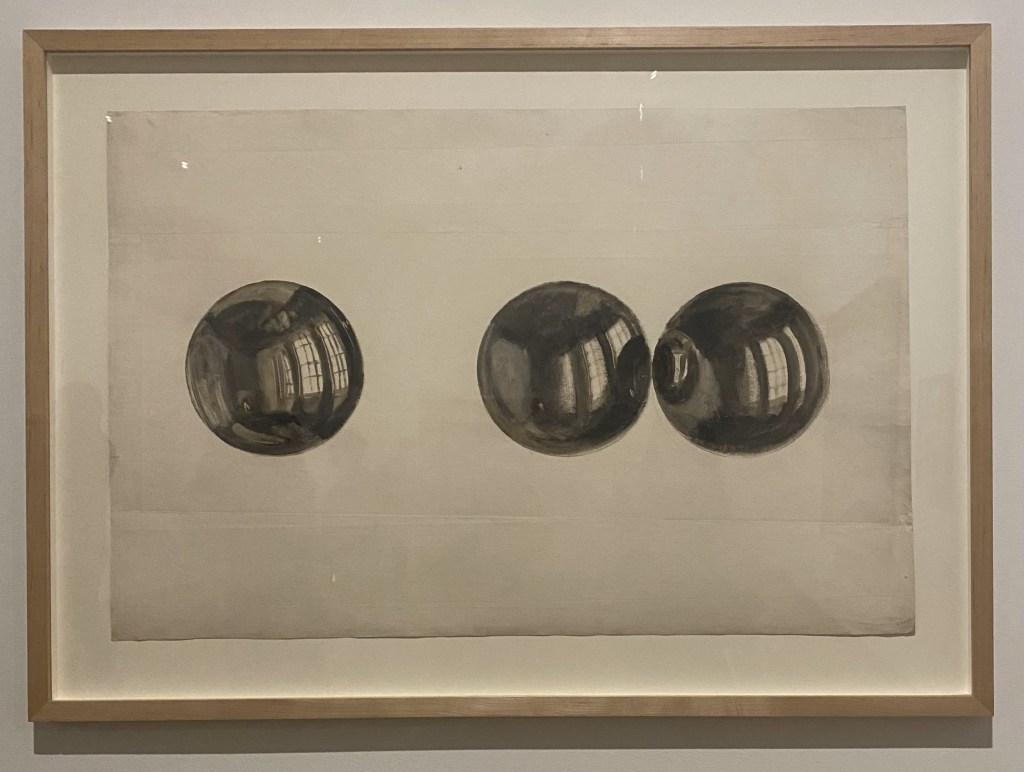
Diagram: Reflections in a Single Polished Metal Globe and in a Pair of Polished Metal Globes
Joseph Malloed William Turner
(1810)
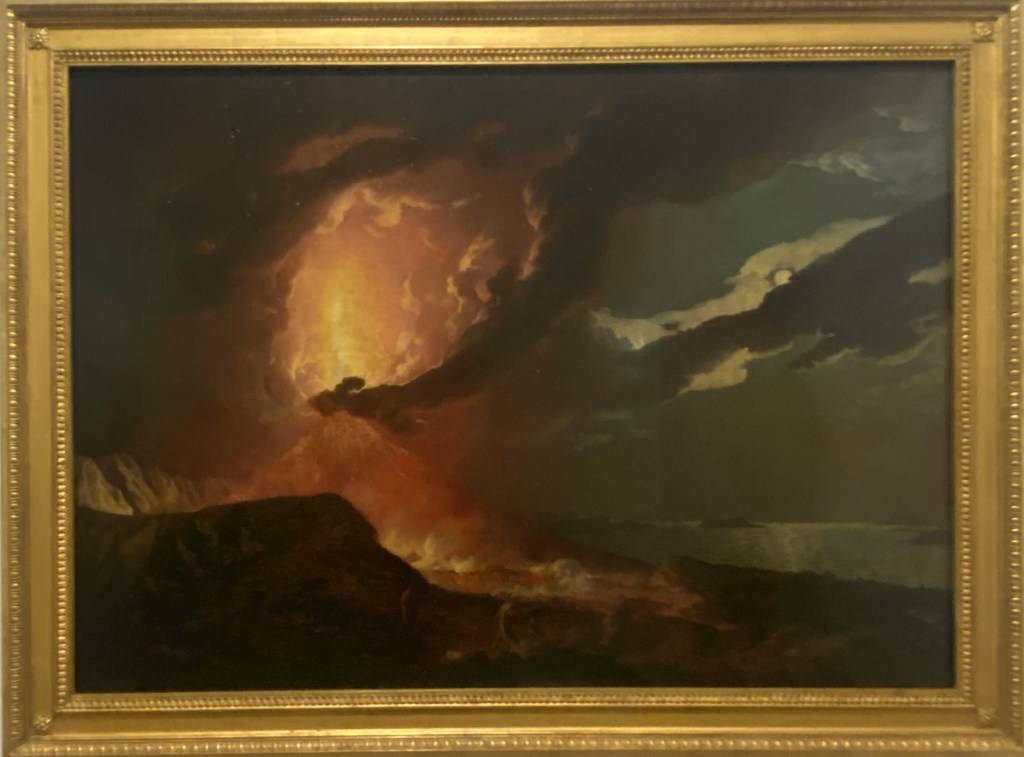
Vesuvius in Eruption, with a View over the Islands in the Bay of Naples
Joseph Write of Derby
(1776-80)
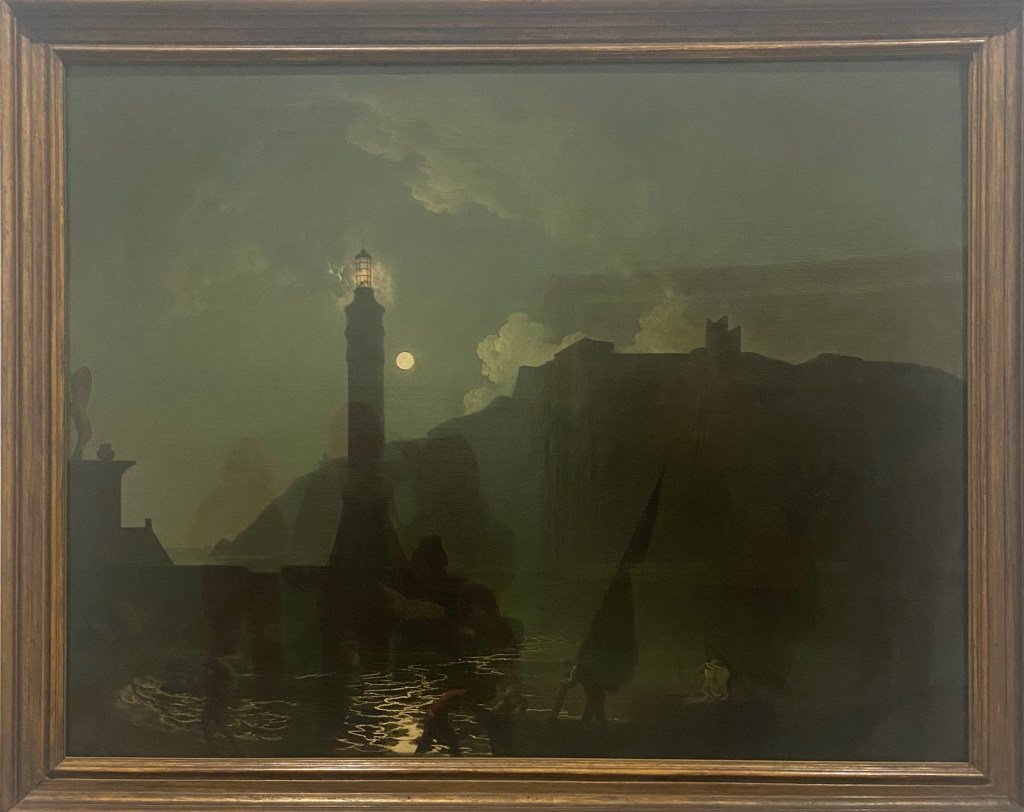
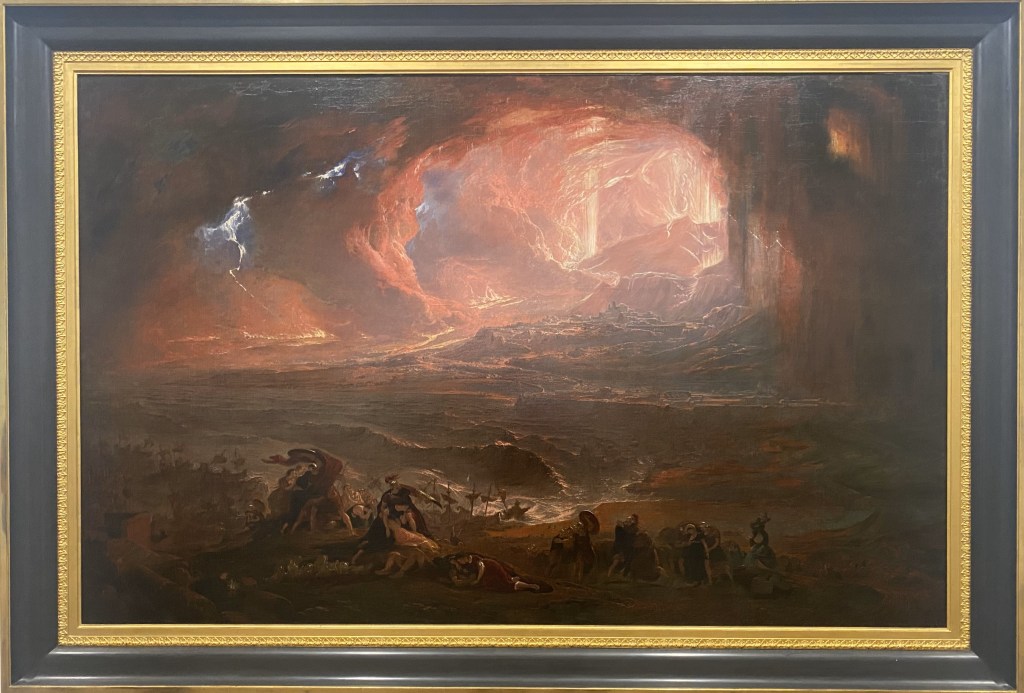
The Destruction of Pompeii and Herculaneum
John Martin
(1822)
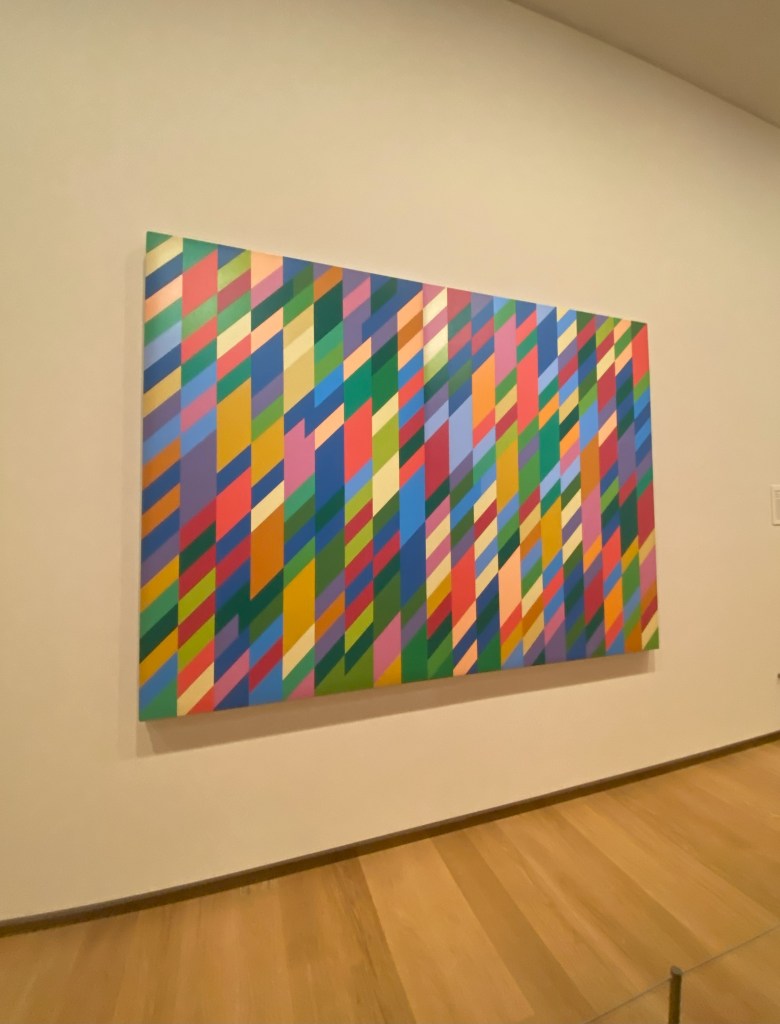
Nataraja
Bridget Riley (1993)
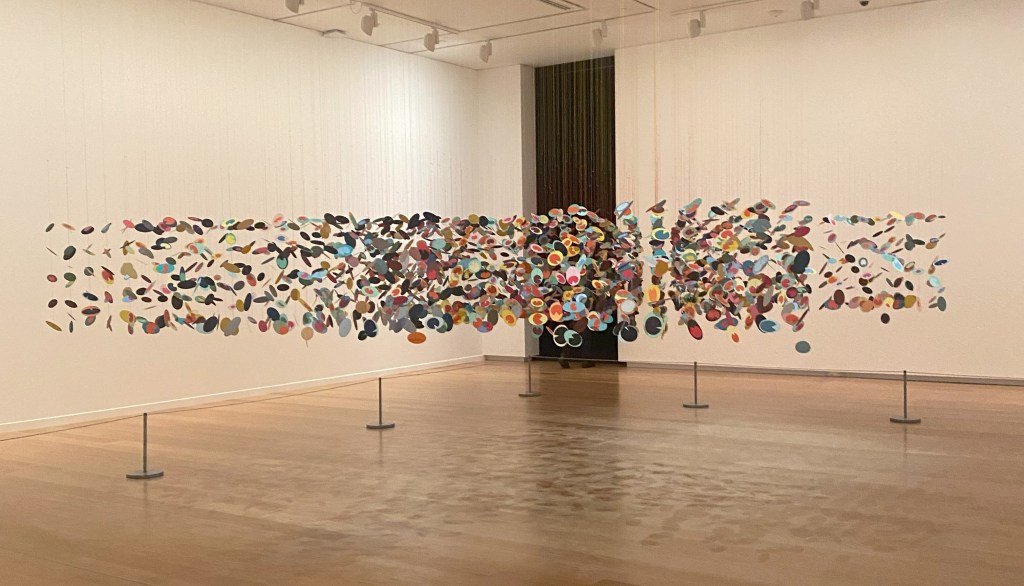
Morceau Accrohant
Pae White (2004)
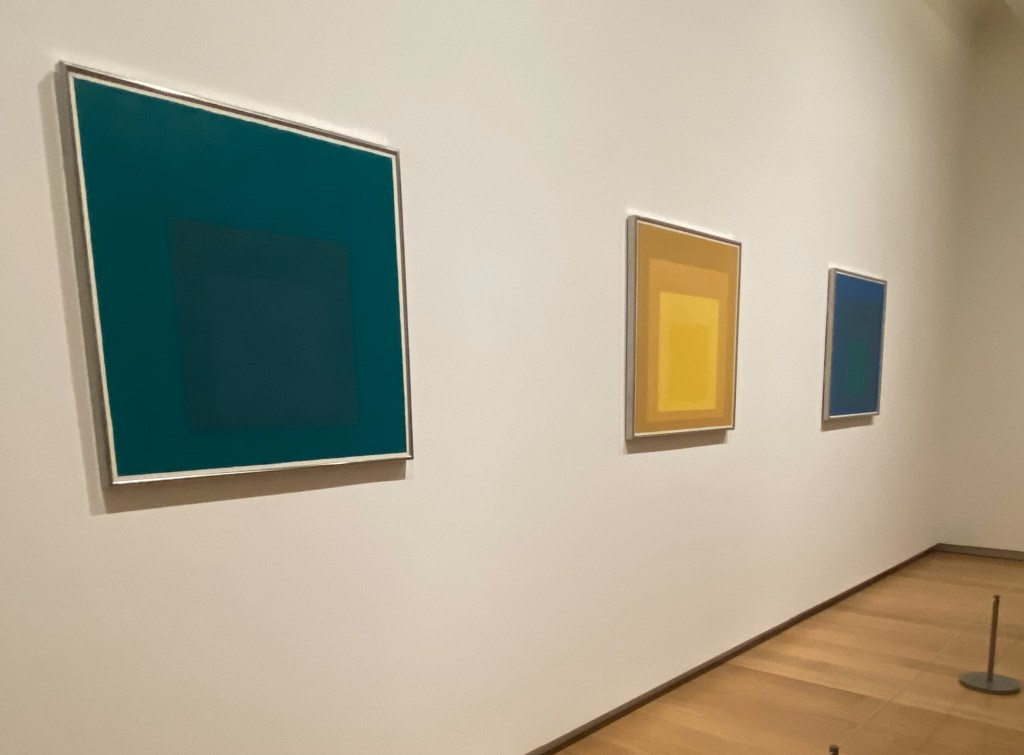
Study for Homage to the Square: Beaming
Josef Albers (1963)
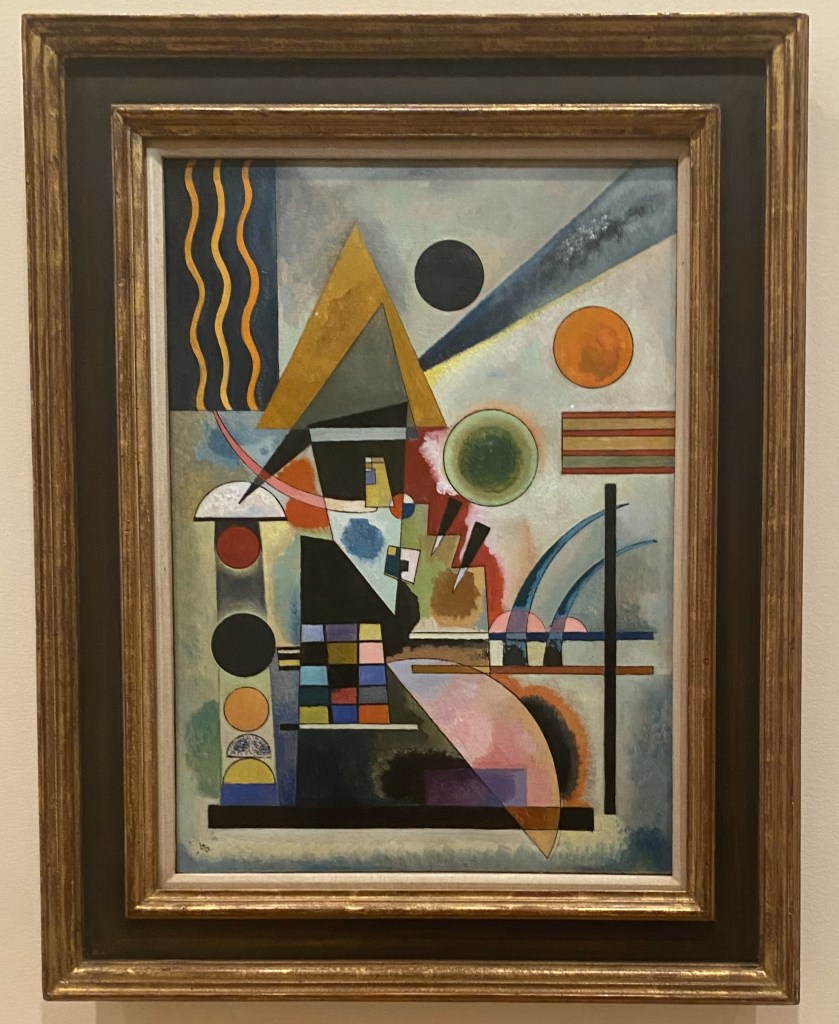
Swinging
Wassily Kandinskey (1925)
In the Science & Light section, Joseph Mallord William Turner artworks stood out to me. Turner uses warm toned colour oils in transparent glazes creating atmospheric effects of light. Using techniques to create airy and blurred effect. However, some has a main vocal point that is vividly seen in the image.
The Light & Movement section, uses colour to depict various ways of light. Bridget Riley’s painting Nataraja captured my attention. Riley uses vivid psychedelic colours in dynamic forms. Despite the neat structure of colours, this created a chaotic perception of ‘visual music’.
It was interesting walking through the organised combination of artist works that has a connection of their depiction of light. My favourite was the Science & Light section. The hazy effect of Turner’s work creating an indistinct look, however, still creating a vivid image appealed me.
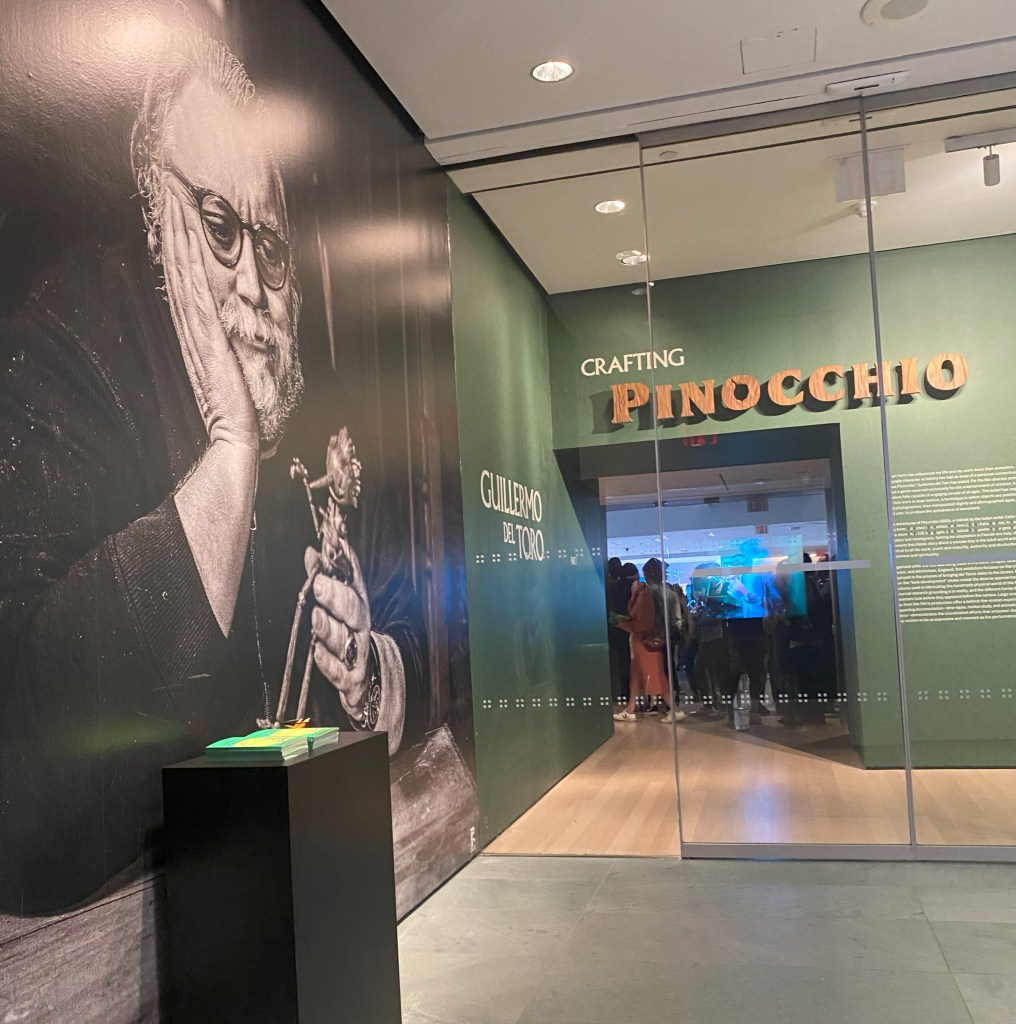
Pinocchio
The Museum of Modern Art
“Animation is a medium, not a genre” – Guillermo Del Toro
Guillermo del Toro
14.04.23
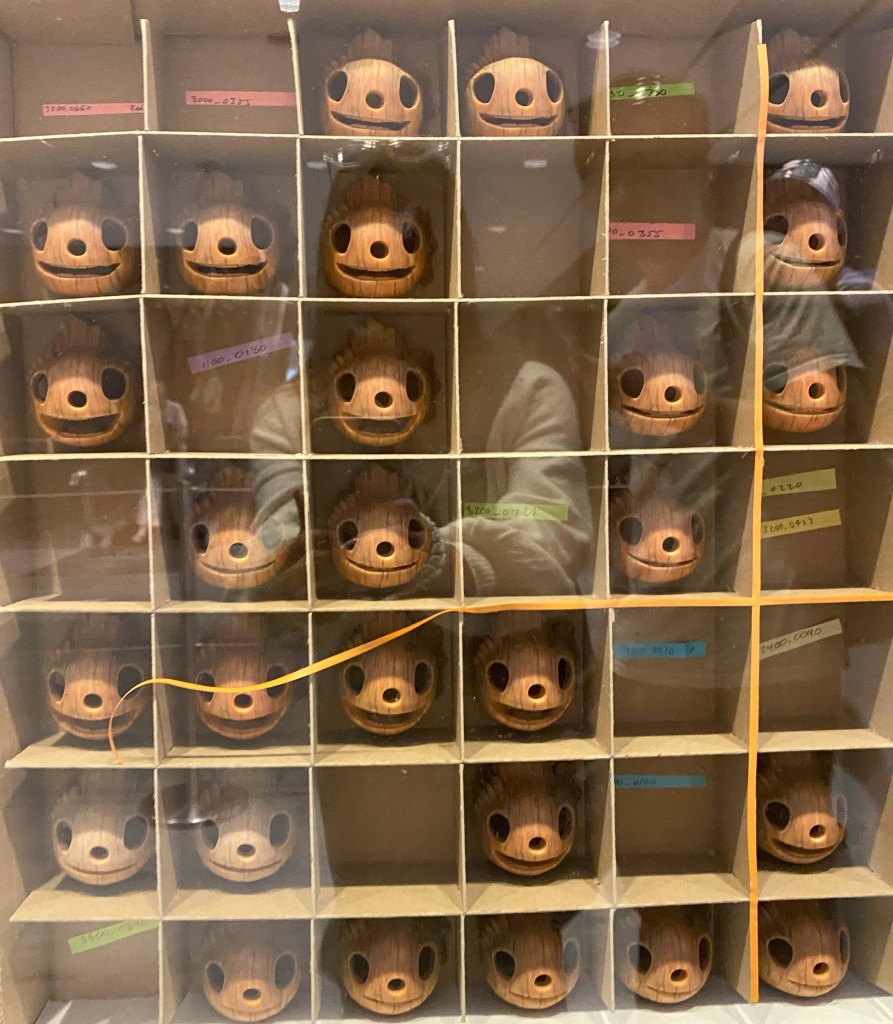
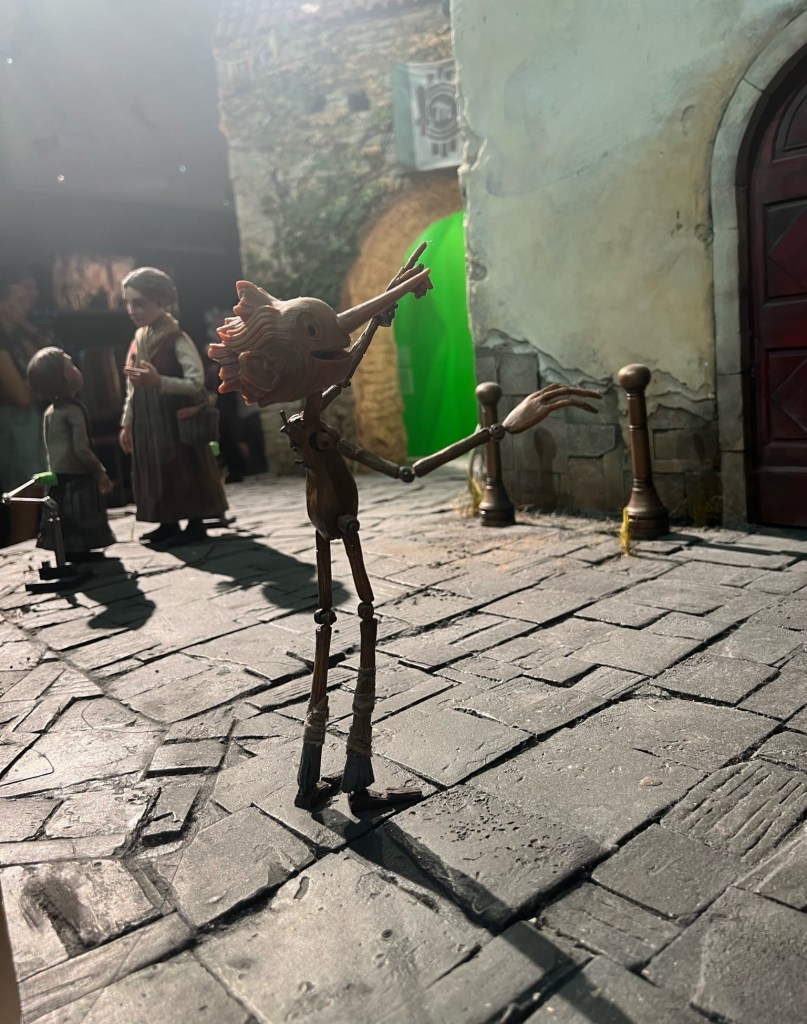
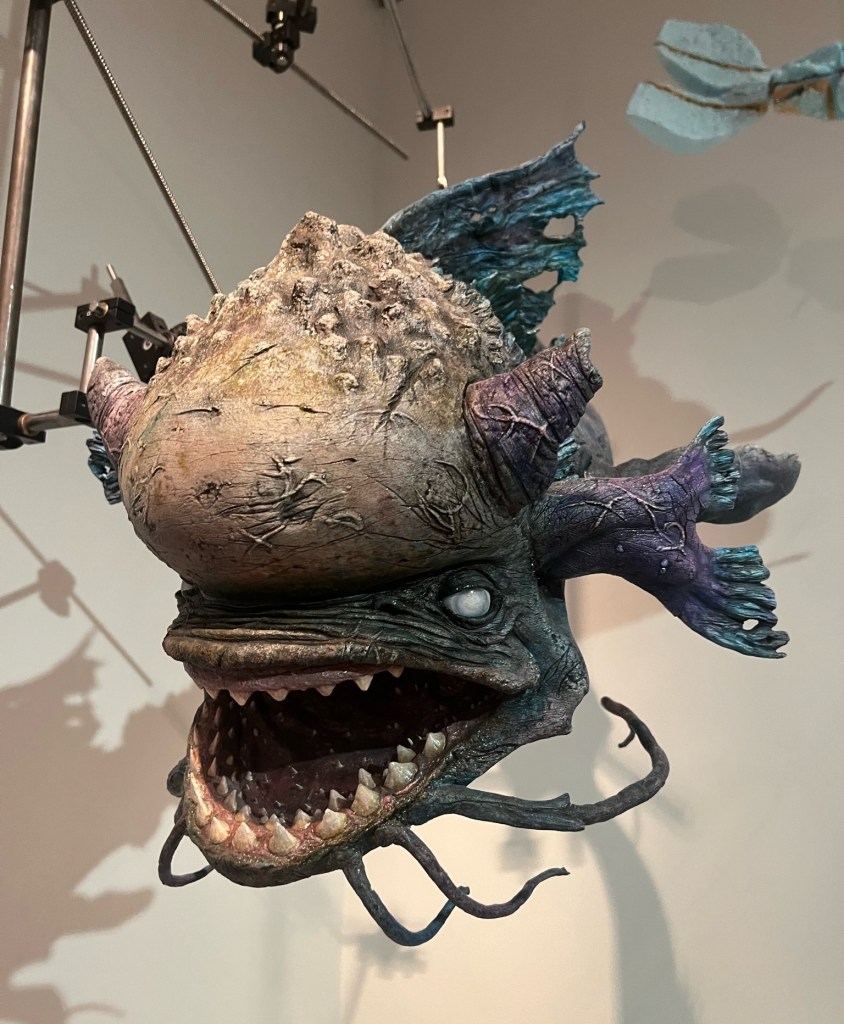
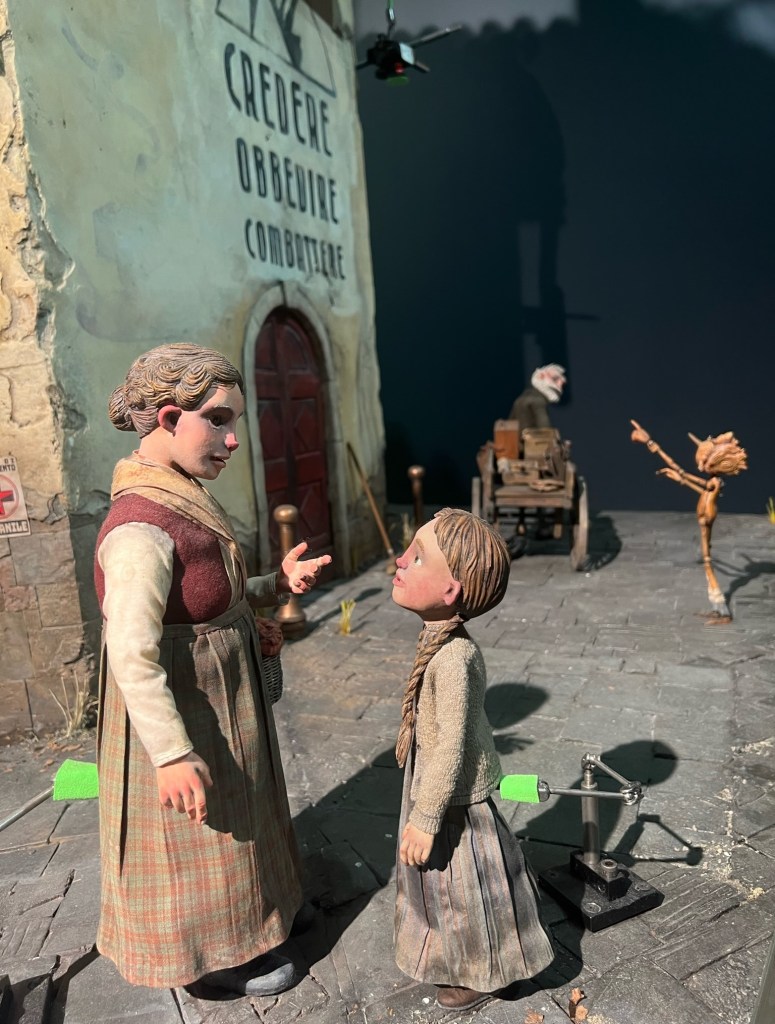
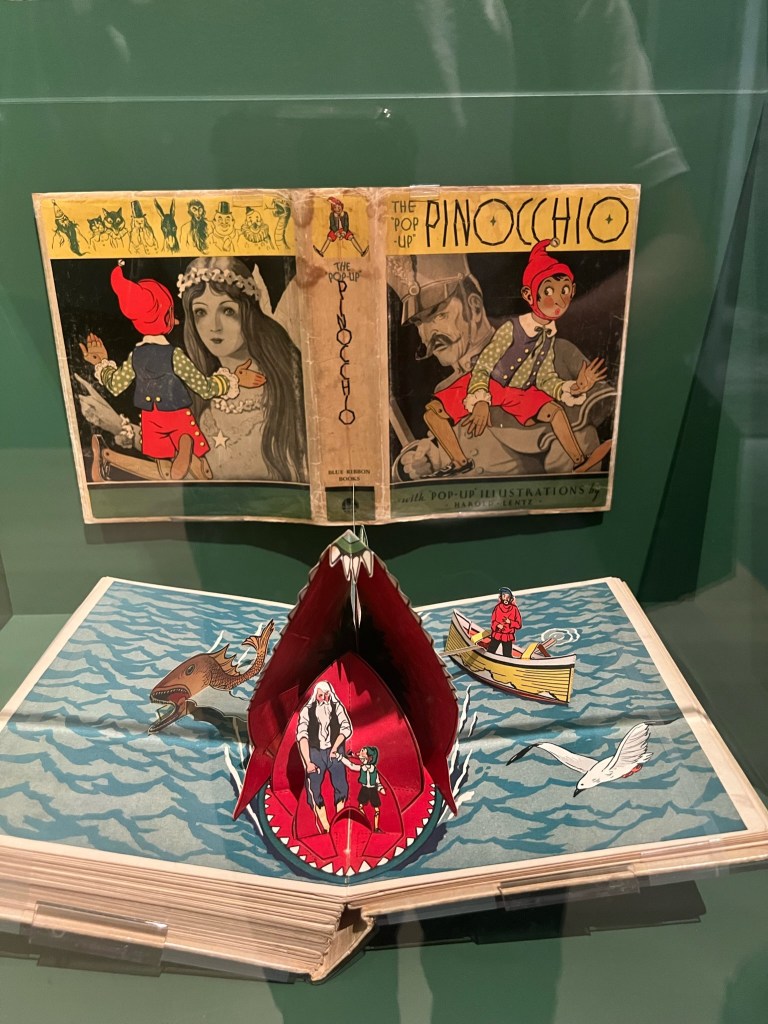
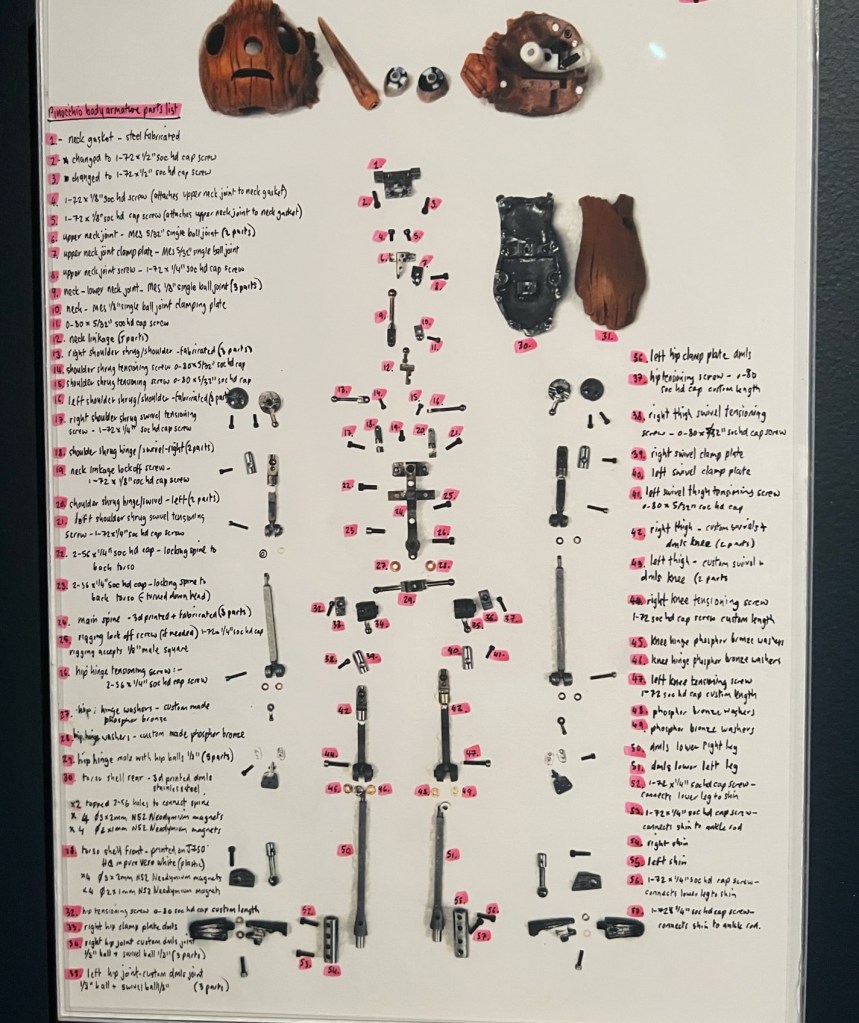
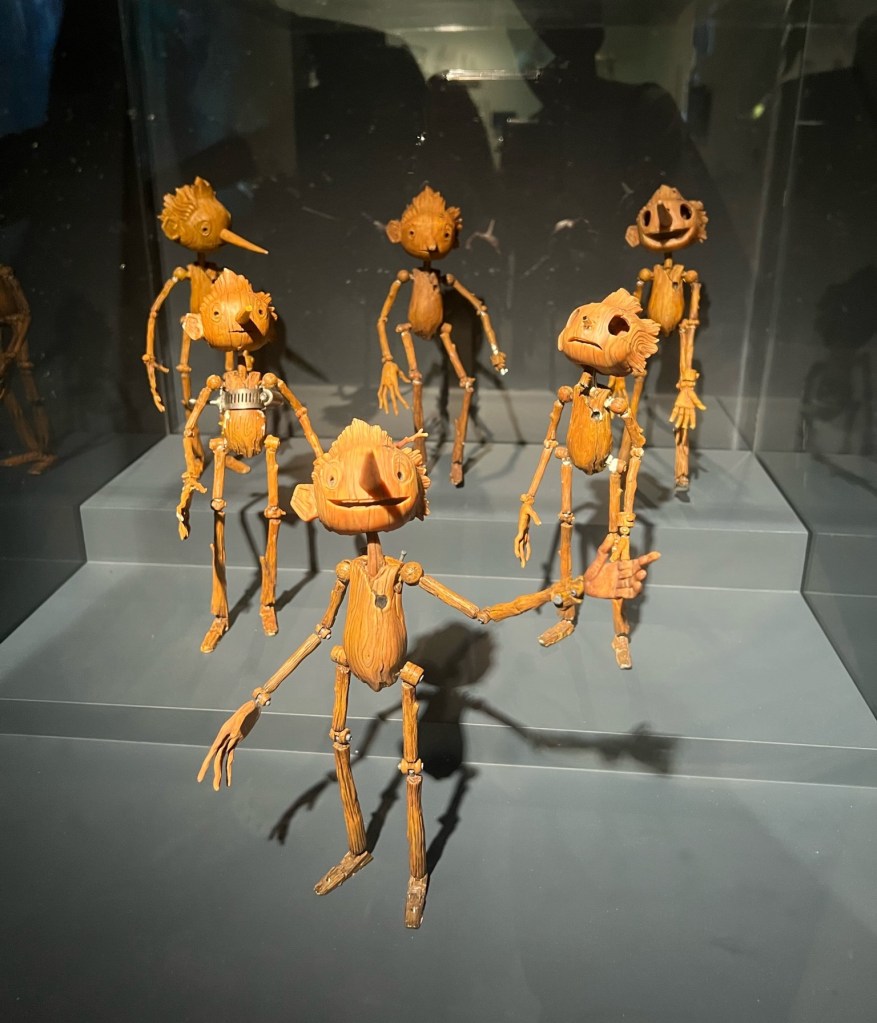
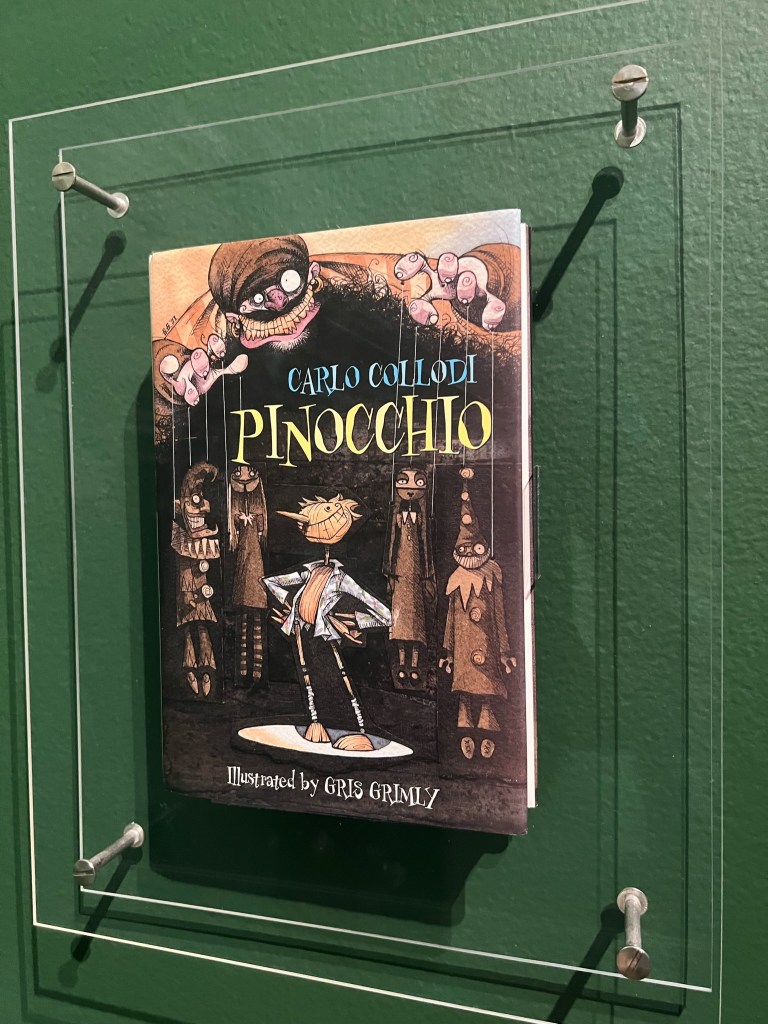
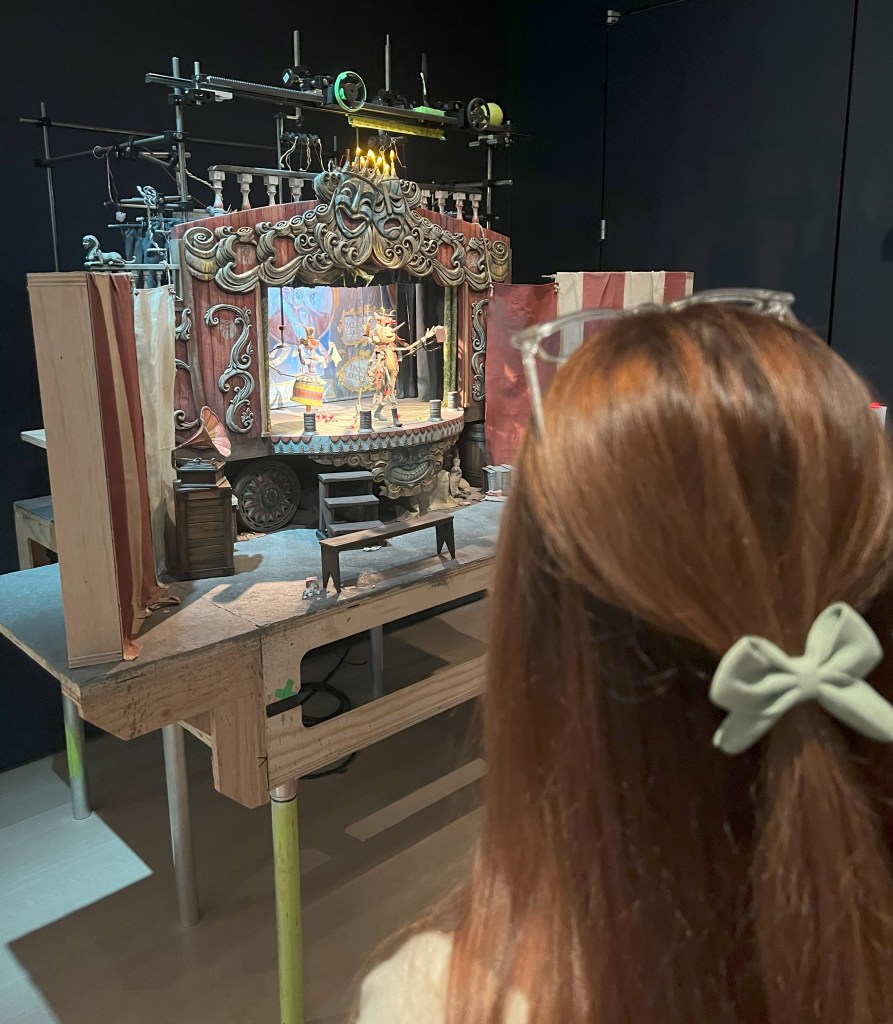
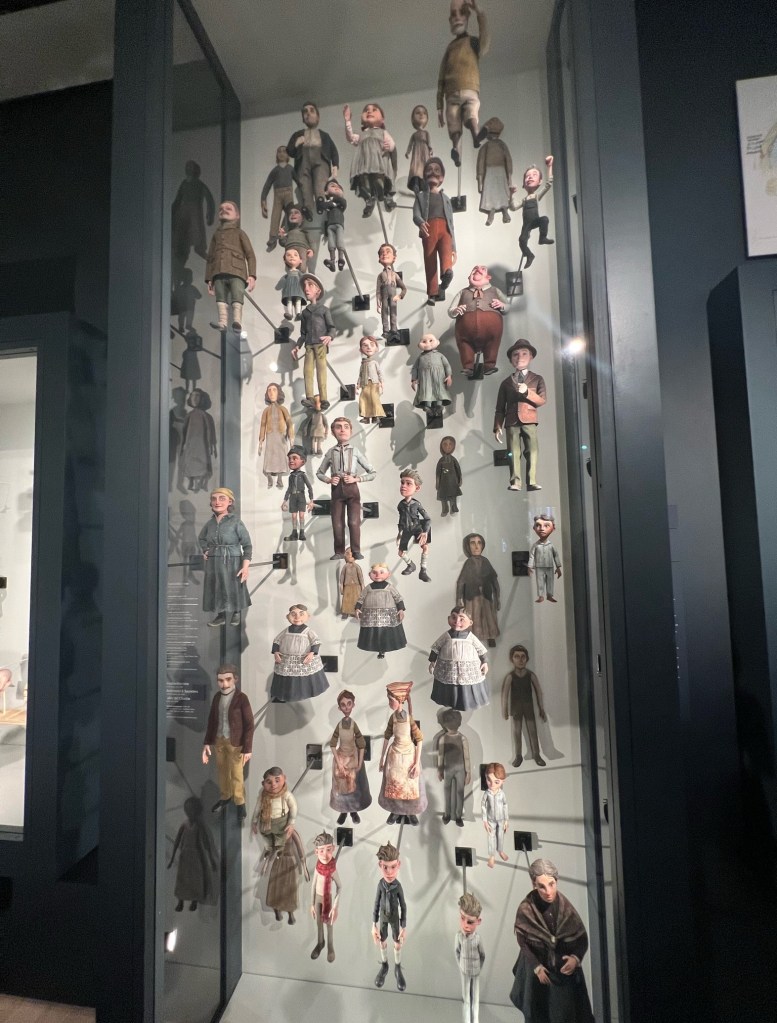
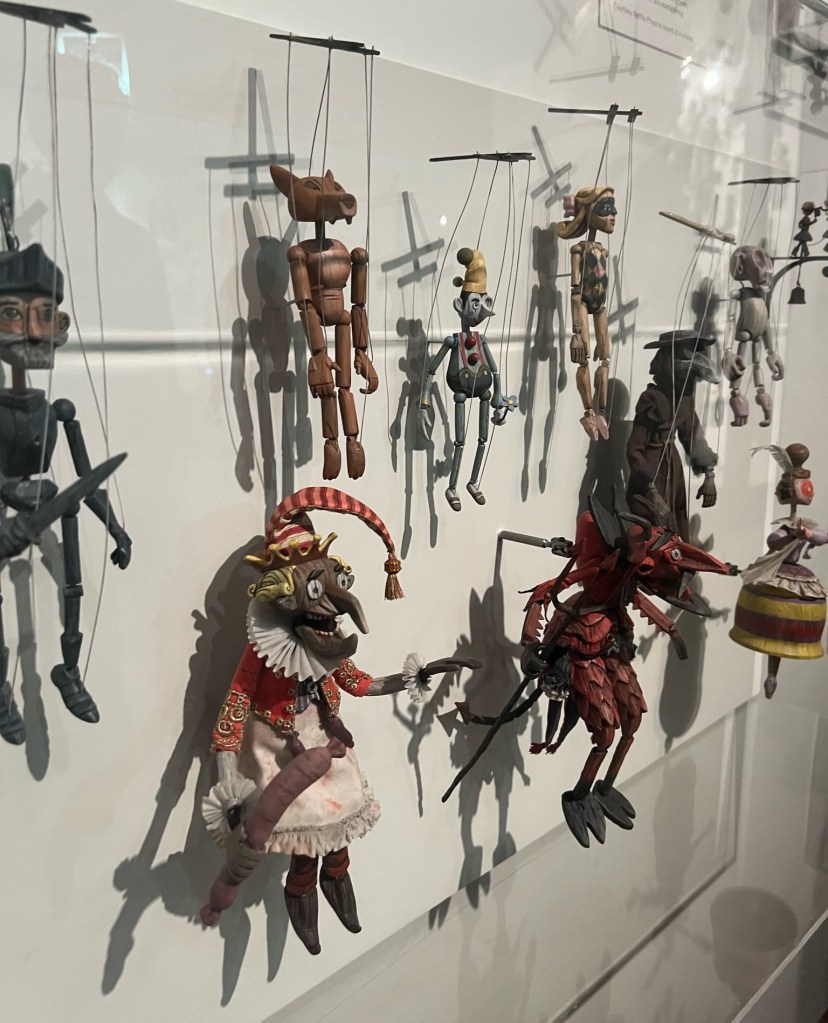
In Pinocchio exhibition in MoMA, I got to see the process and materials used to create a film. Guillermo del Toro was inspired to work with the stop-motion technique. Del Toro connects the story “The Adventures of Pinocchio (1883)” by Carlo Collodi, portraying a wooden boy against the adult world. I was intrigued seeing many handmade materials made for the film’s production. There were so many details in sculpting and painting the figures/creatures.
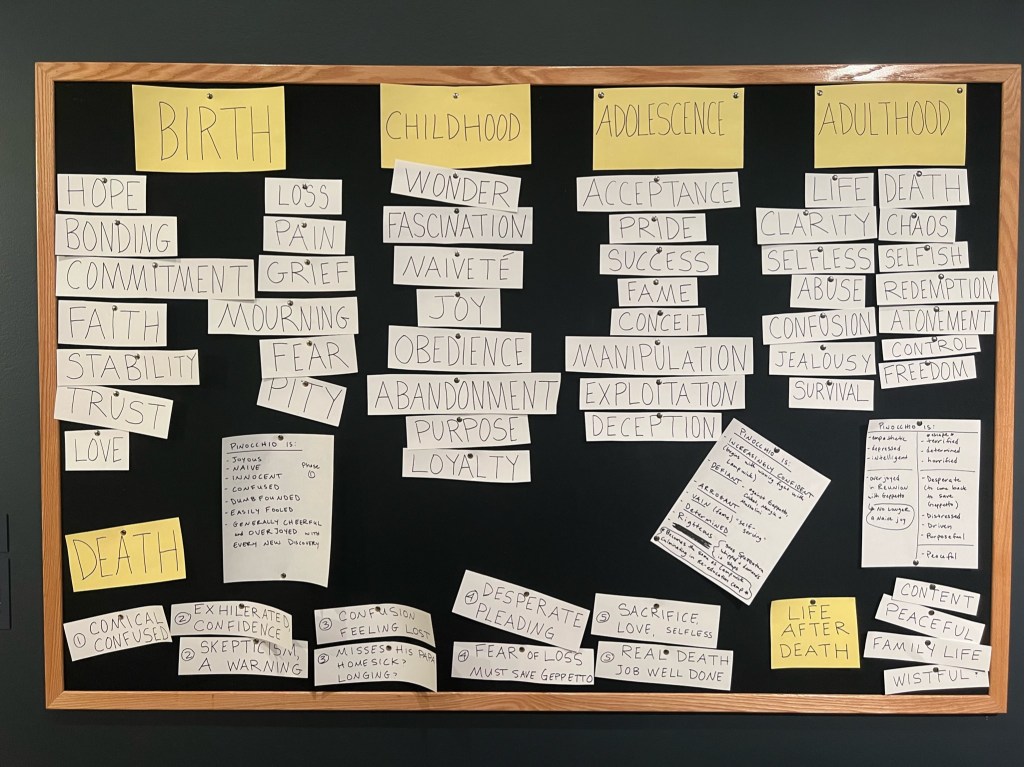
There were documentary videos on loops that shows them making the film in front of their sets. This helps the audience visually see how they made it. Due to it being stop-motion, a lot of these materials are well organised and planned in many charts/paper which was fascinating to see. Being able to visit this exhibition made me realise how time consuming stop-motion films are. However, the amount of effort towards this piece of art gave it more purpose and a beautiful expression to the film.


505: Circa 1913
The Museum of Modern Art
14.04.23
This was one of my favourite exhibition in the MoMA, 505: Circa 1913. In this exhibition, you see various artists that uses colours to perceive an image into a different reality. There were many vibrant colours chosen in this exhibition that each artwork caught my eye. I was able to see the play around with light through the use of colour tones.
My favourite among this works is the “Mme Kupka among Verticals” by František Kupka. The technique of vertical painting strokes to create an illusion of the canvas being really long. I love the use of colour used to create a face that isn’t painted in detail, however, creates a beautiful ‘well-blended in’ look on the canvas.
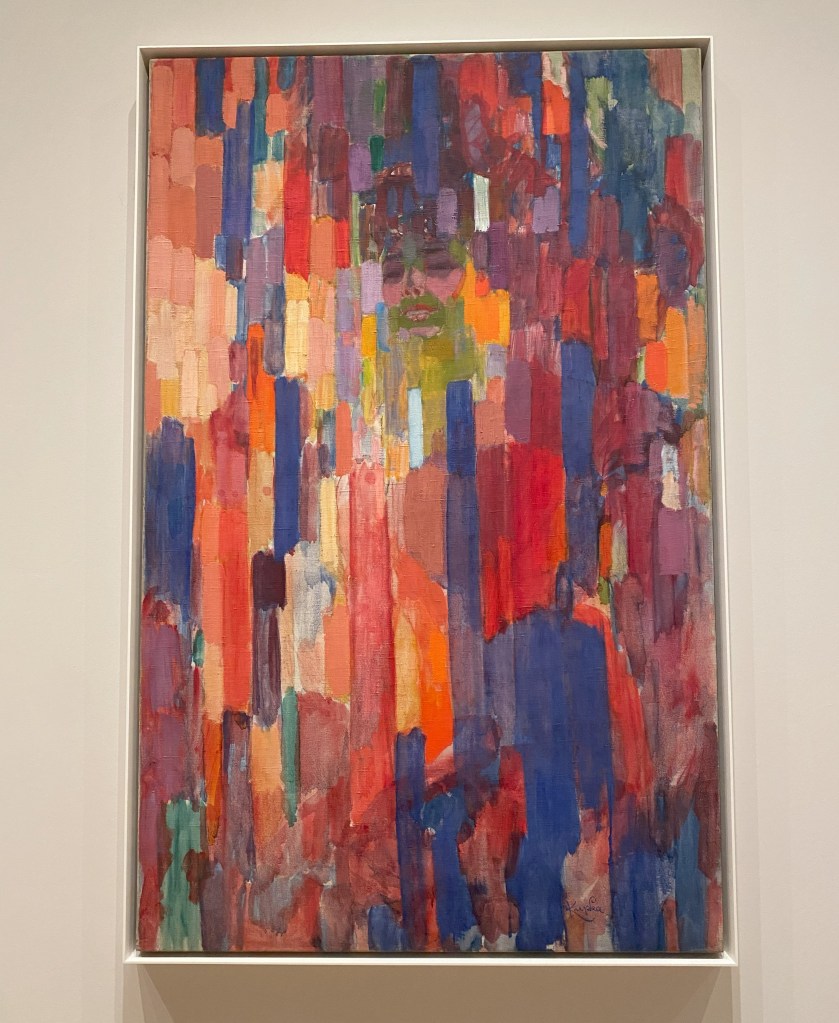
Mme Kupka among Verticals
(1910-11)
František Kupka

Simultaneous Contrasts: Sun and Moon
(1913)
Robert Delaunay
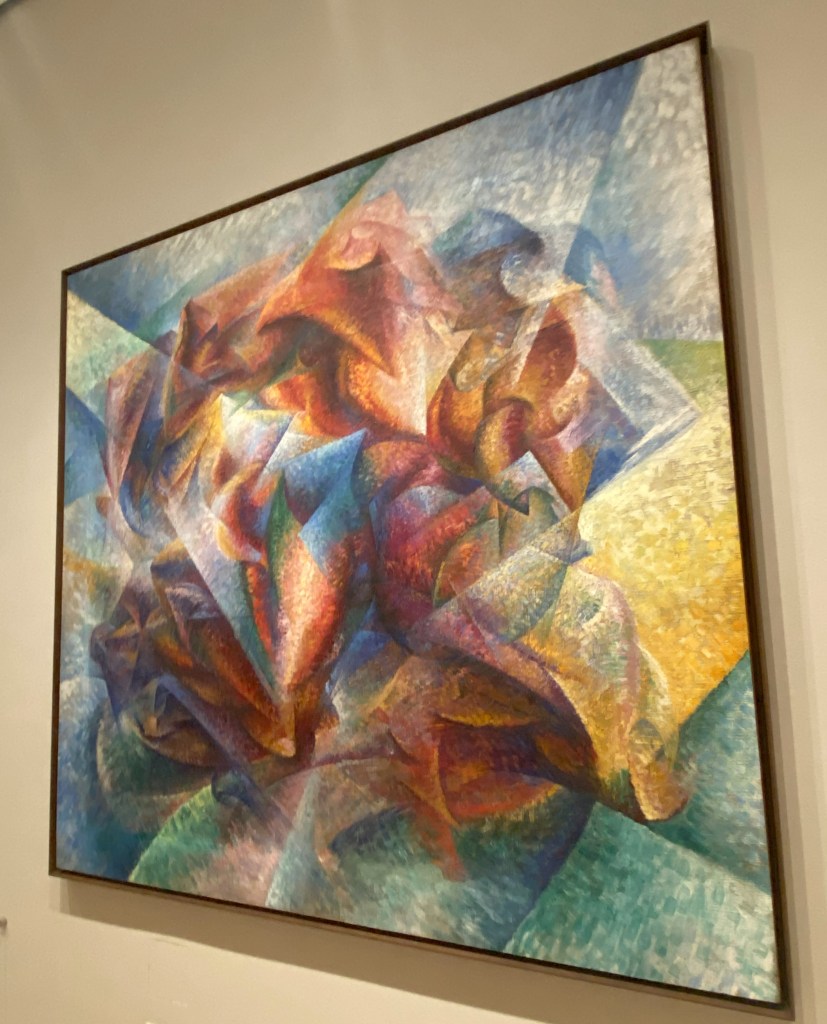
Dynamism of a Soccer Player
(1913)
Umberto Boccioni
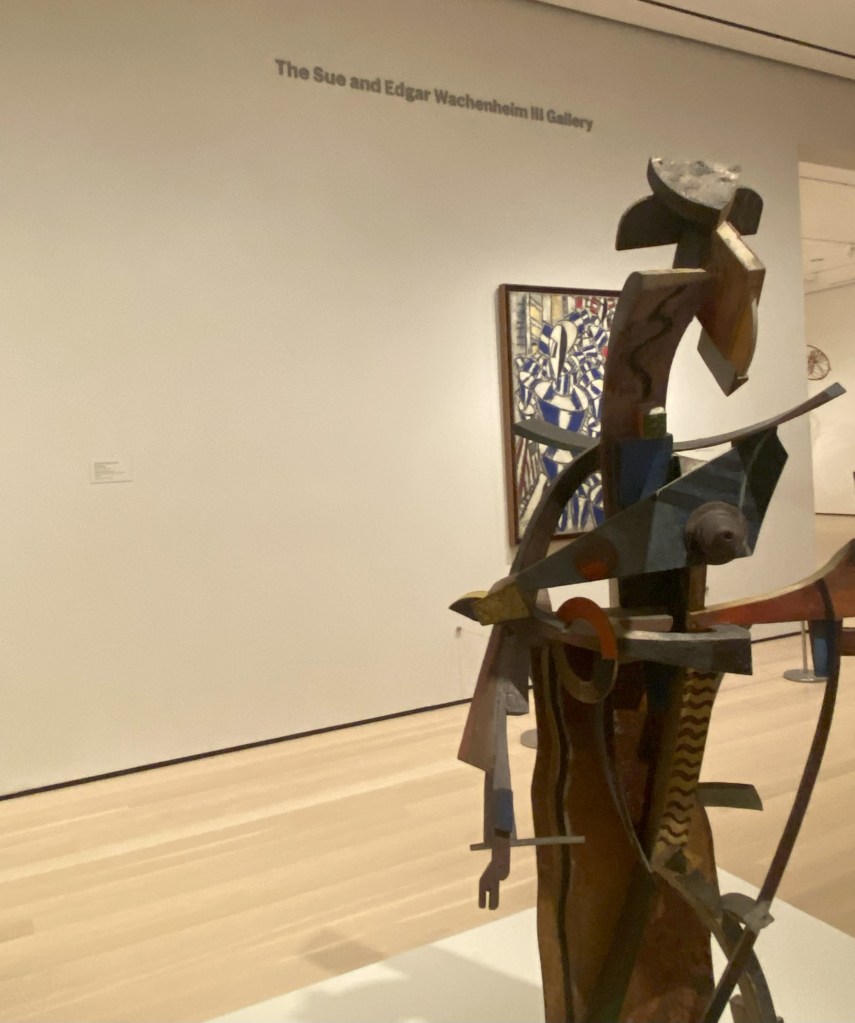
Symphony Number 1
(1913)
Vladimir Baranoff-Rossiné
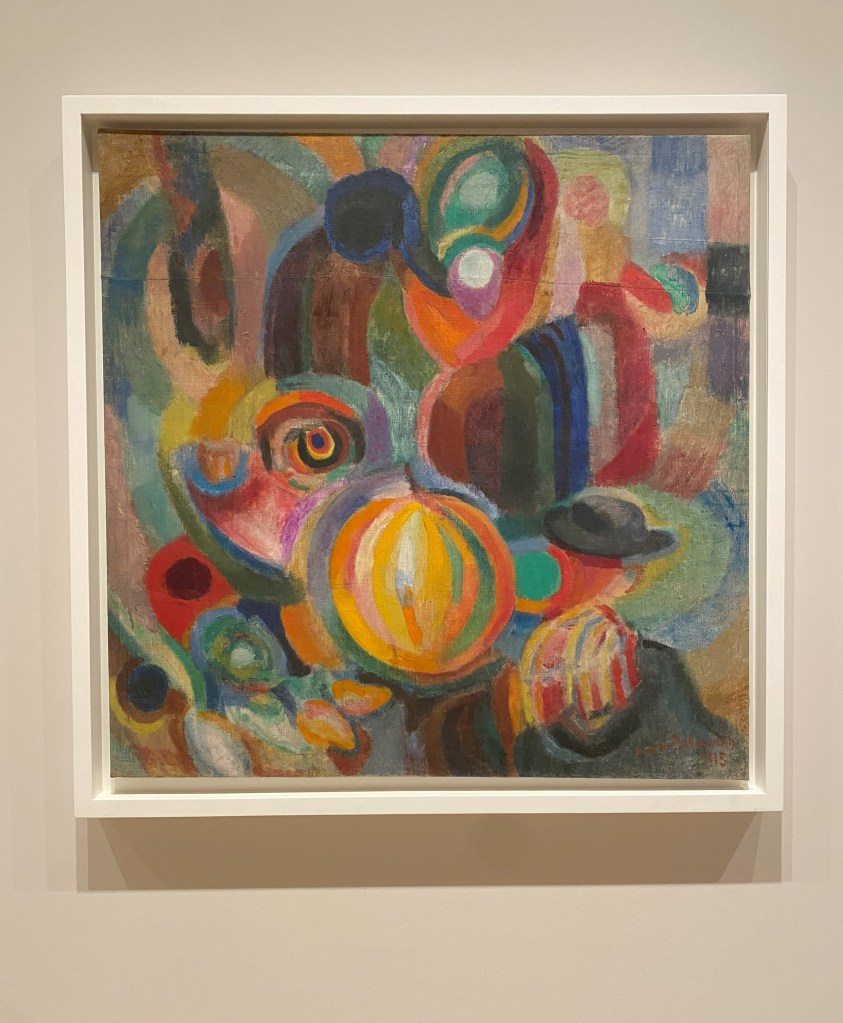
Portuguese Market
(1915)
Sonia Delaunay-Terk
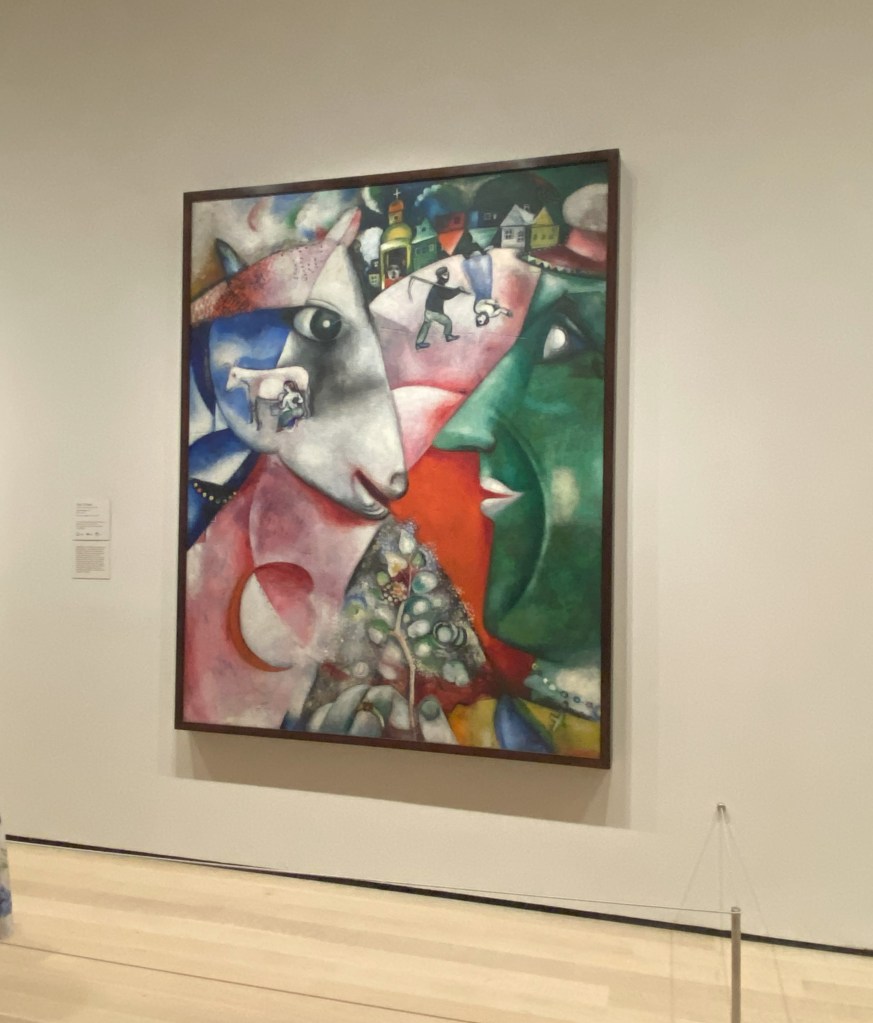
I and the Village
(1911)
Marc Chagall
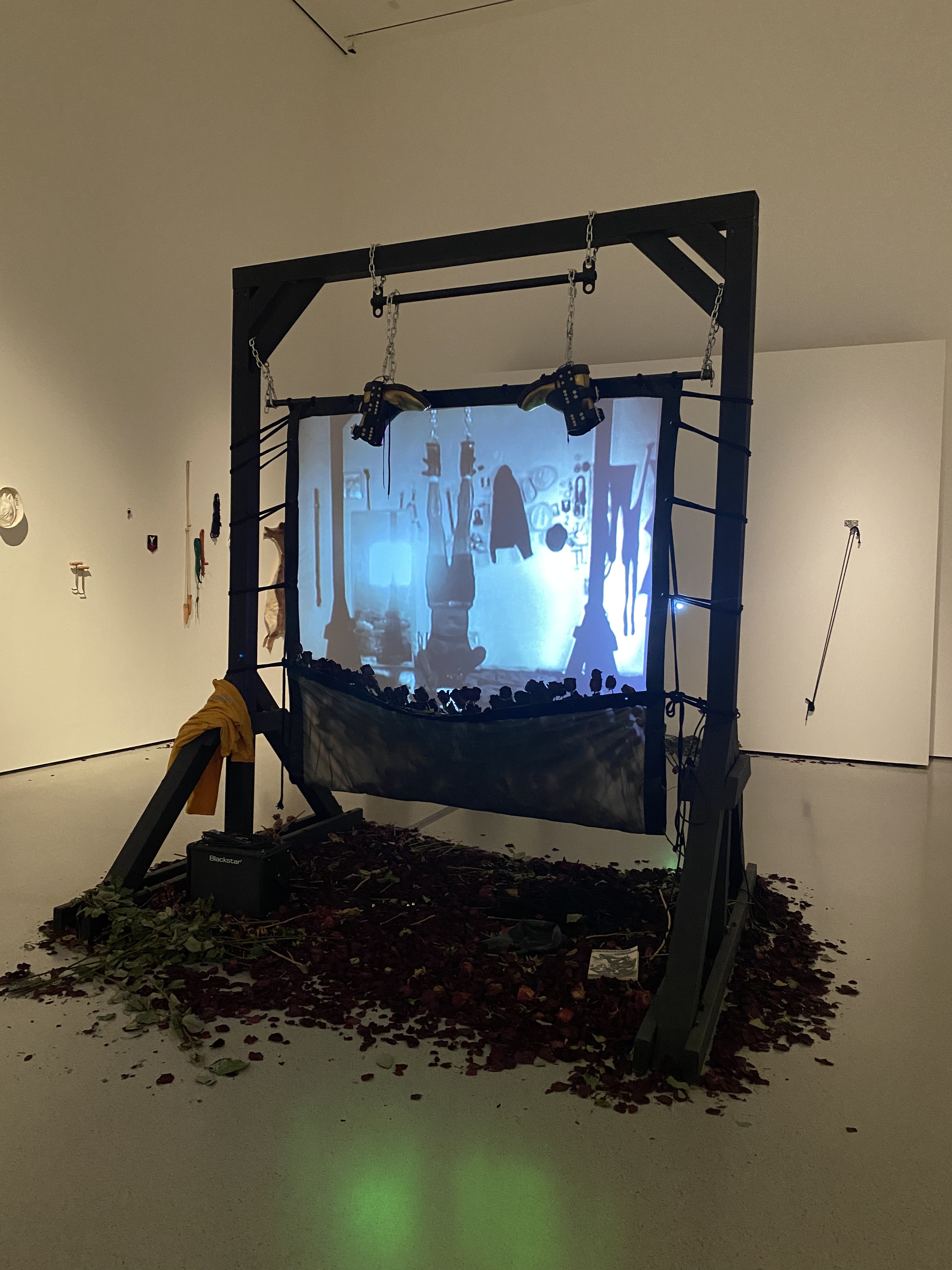
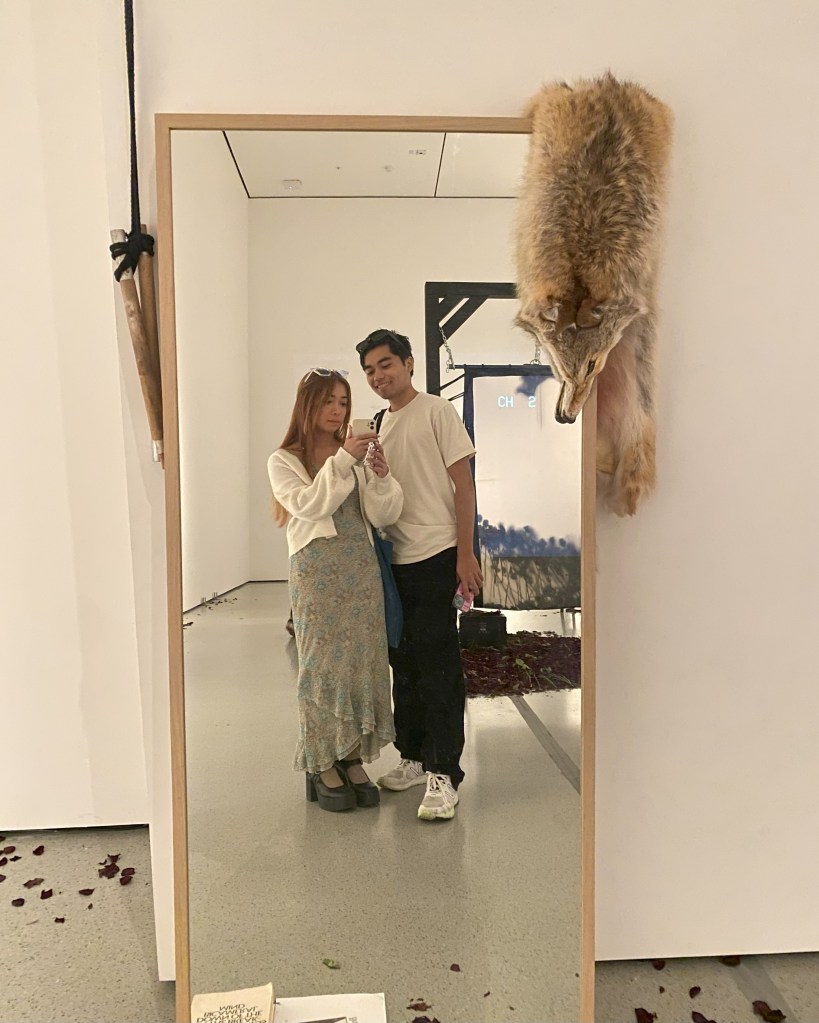
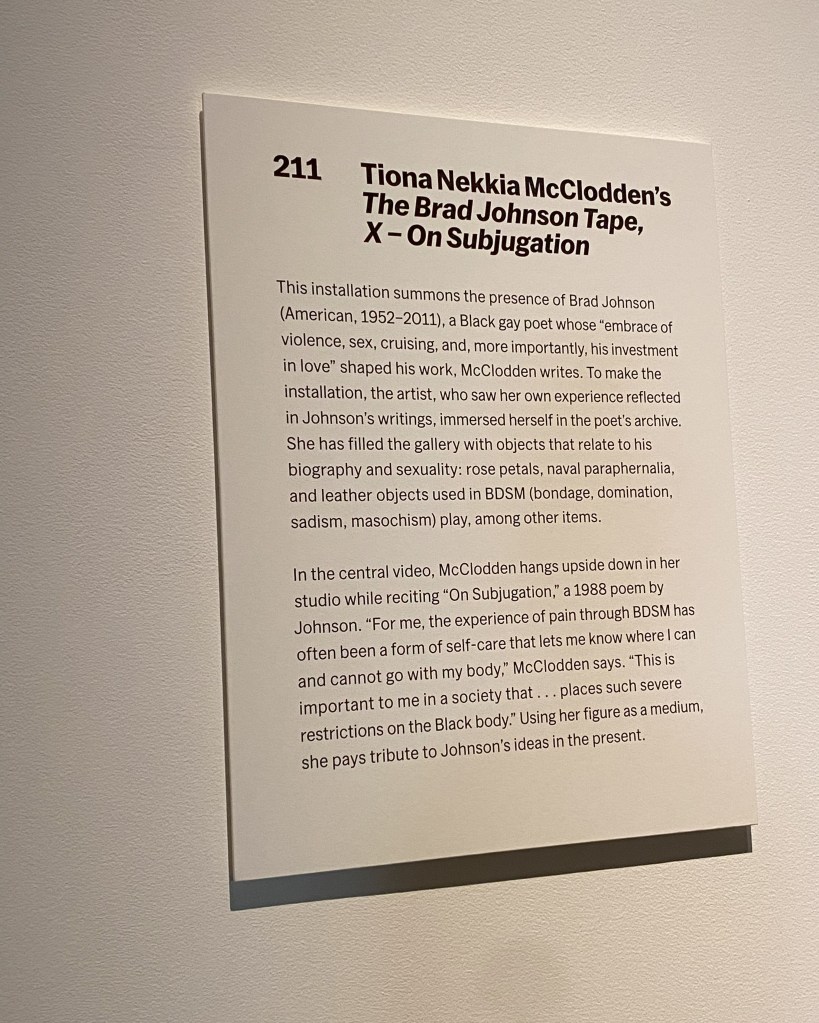
212 Tiona Nekkia McClodden’s The Brad Johnson Tape, X-On Subjugation
09.06.2023
515 Claude Monet’s
Water Lilies
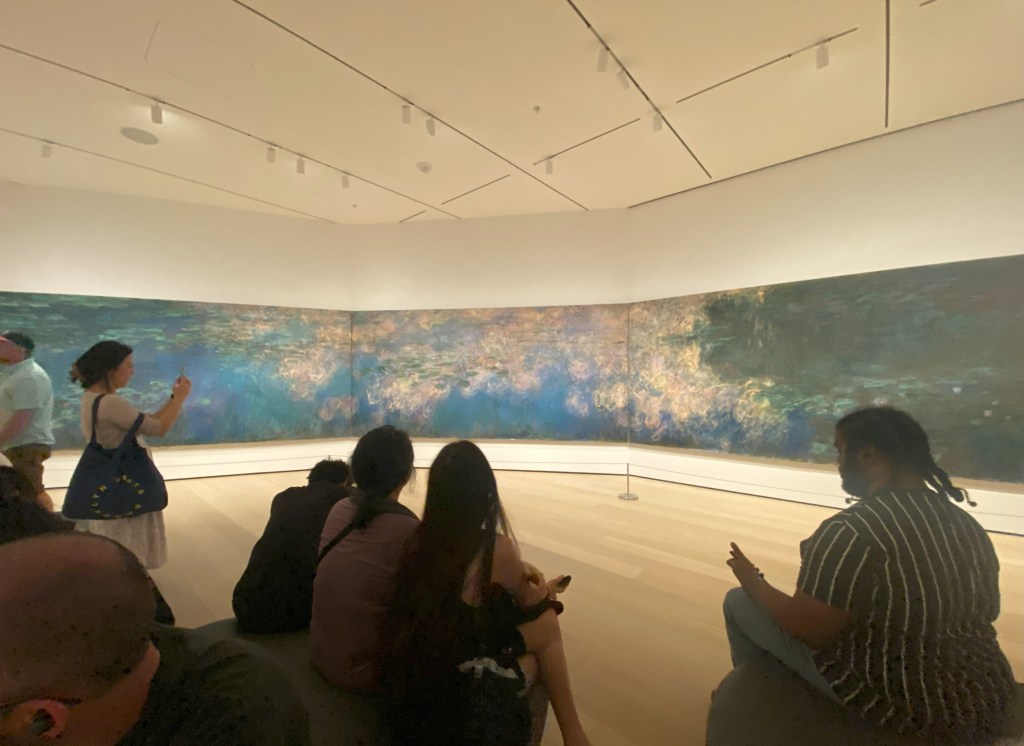
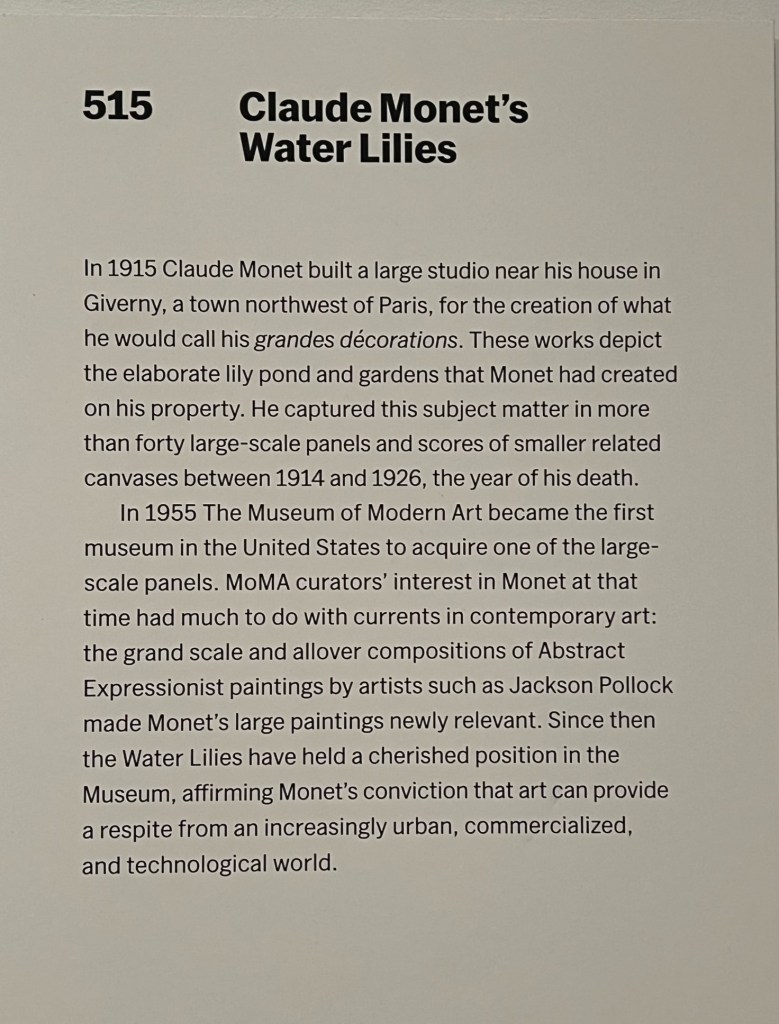
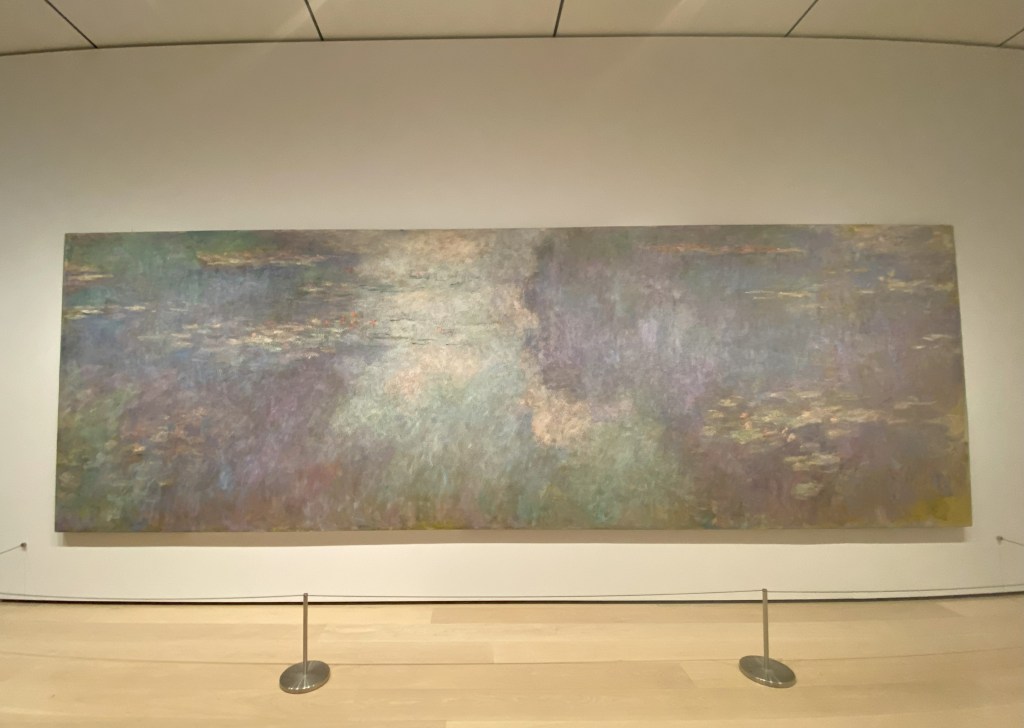
Claude Monet
Water Lilies
1914-26
Three Gallery Visits
25 July 2023
Two Rooms
Gond – Michael Shepherd
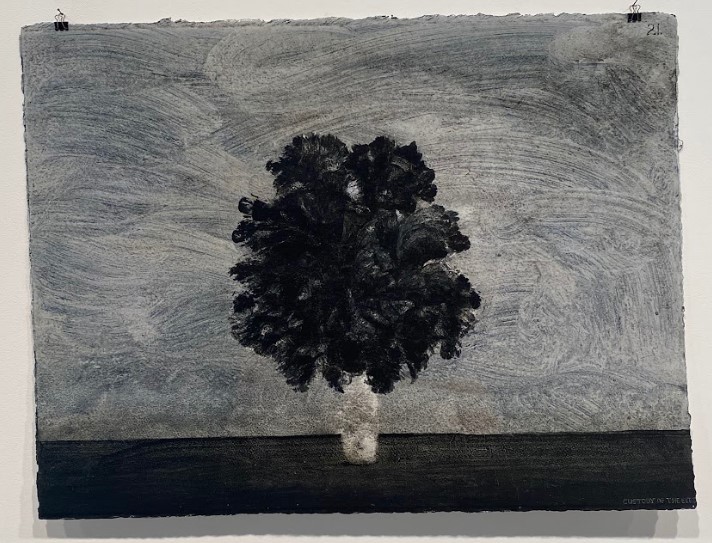
Custody of Eyes, 2021
polymer on hahnemuhle paper
580 x 760 mm
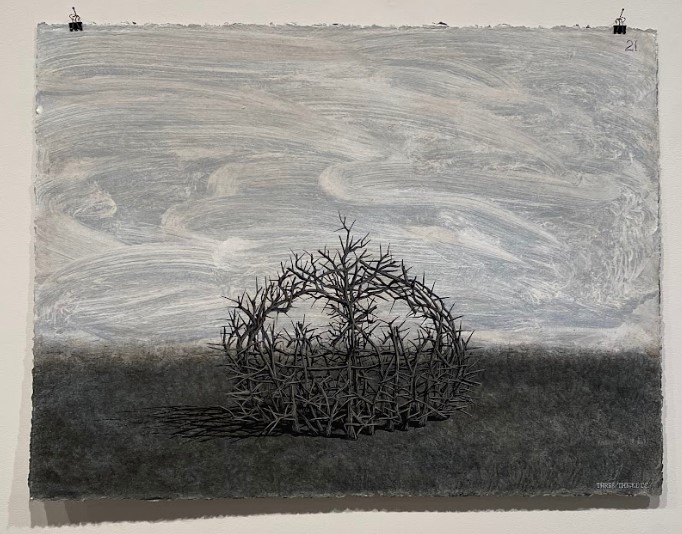
Three thickets, 2021
polymer on hahnemuhle paper
580 x 760 mm
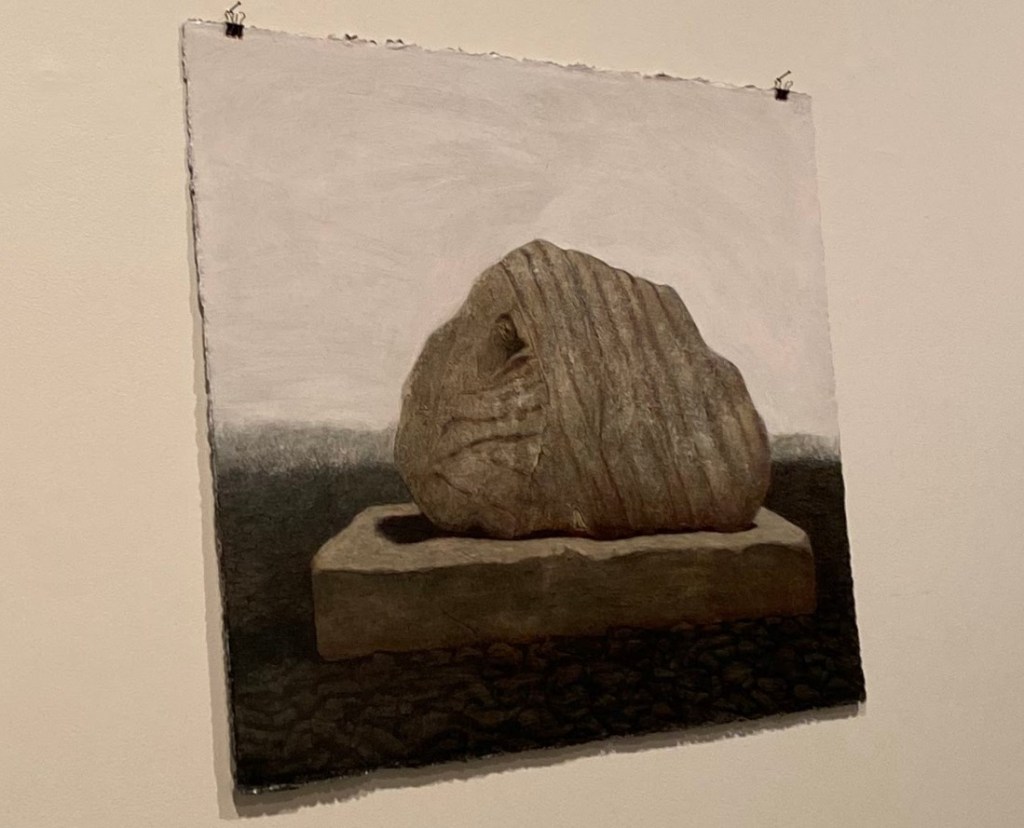
Tygrt YHWH, 2021
polymer on hahnemuhle paper
580 x 760 mm
Michael Shepherd’s artworks displayed in Two Rooms captured me. The unique use of polymer on hahnemuhle paper. It is hung up only from the top of the art work. Playing with the use of the room lights, it displays different lighting layers underneath the artwork with the unique cut of the paper.
Artspace Aotearoa
Scores for Transformation – Özlem Altin, Quishile Charan, Judith Hopf, Rosemary Mayer, Laider Lertxundi
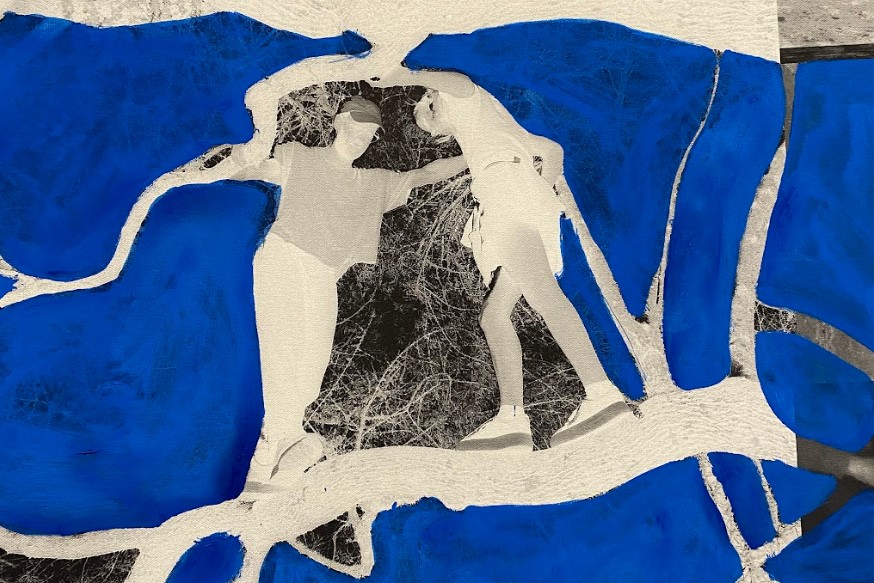
Özlem Altin
Review (a body a light), 2023
Ink and oil on canvas
140 x 280 cm

Rosemary Mayer
Recording of untitled lecture, circa 1978
28 minutes
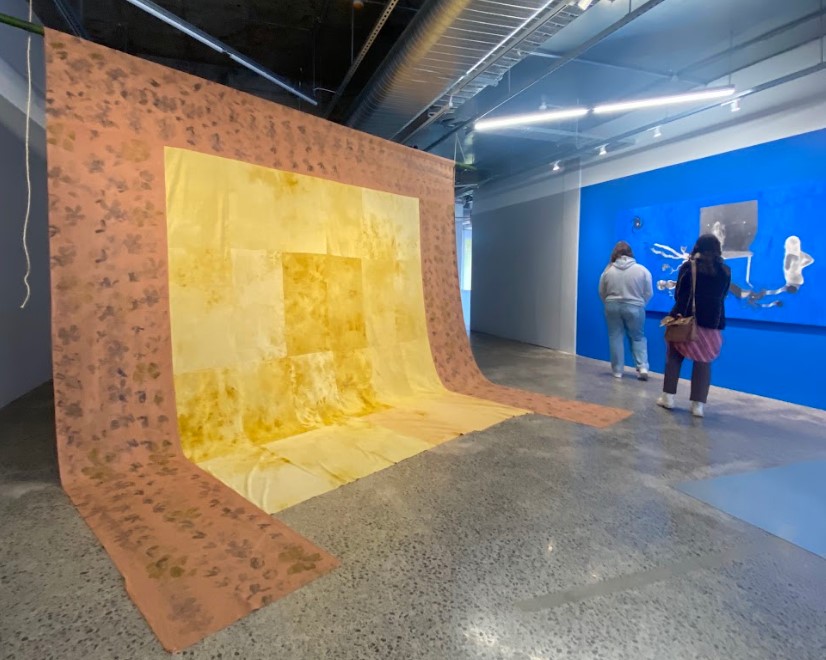
Quishile Charan
Araam, 2023
Unbleached cotton and linen hand-dyed.
420 x 265 x 170 cm
The exhibition “Scores for Transformation” featuring Özlem Altin, Quishile Charan, Judith Hopf, Rosemary Mayer, Laider Lertxundi. When I visited this exhibition, there were many interactive works such as Rosemary Mayer. The use of headphones to listen to the video playing on the displayed screen.
Fox Jensen McCrory
rEdEdgE – Jan Albers

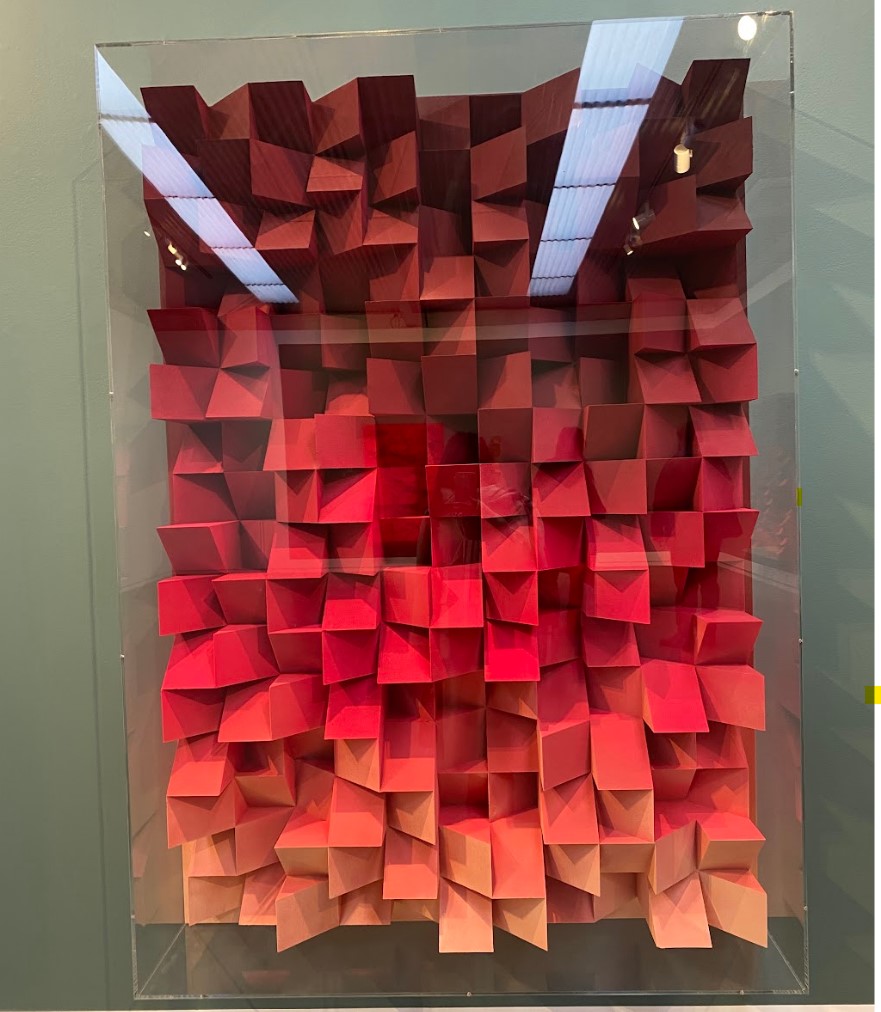
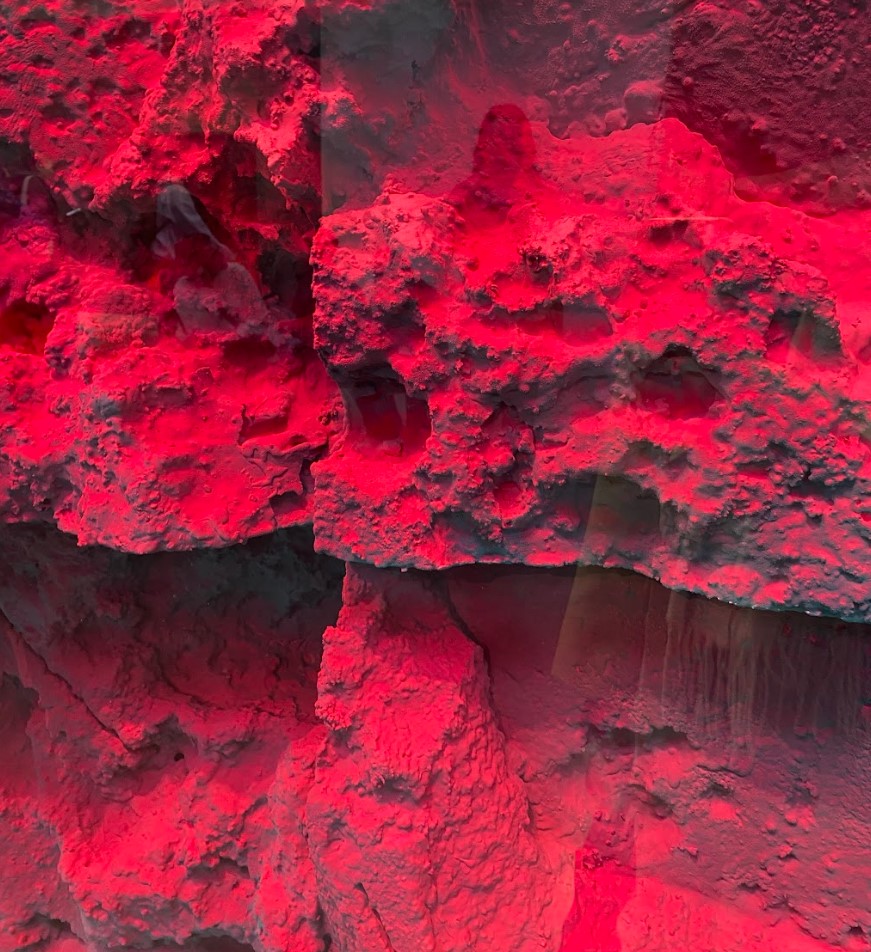

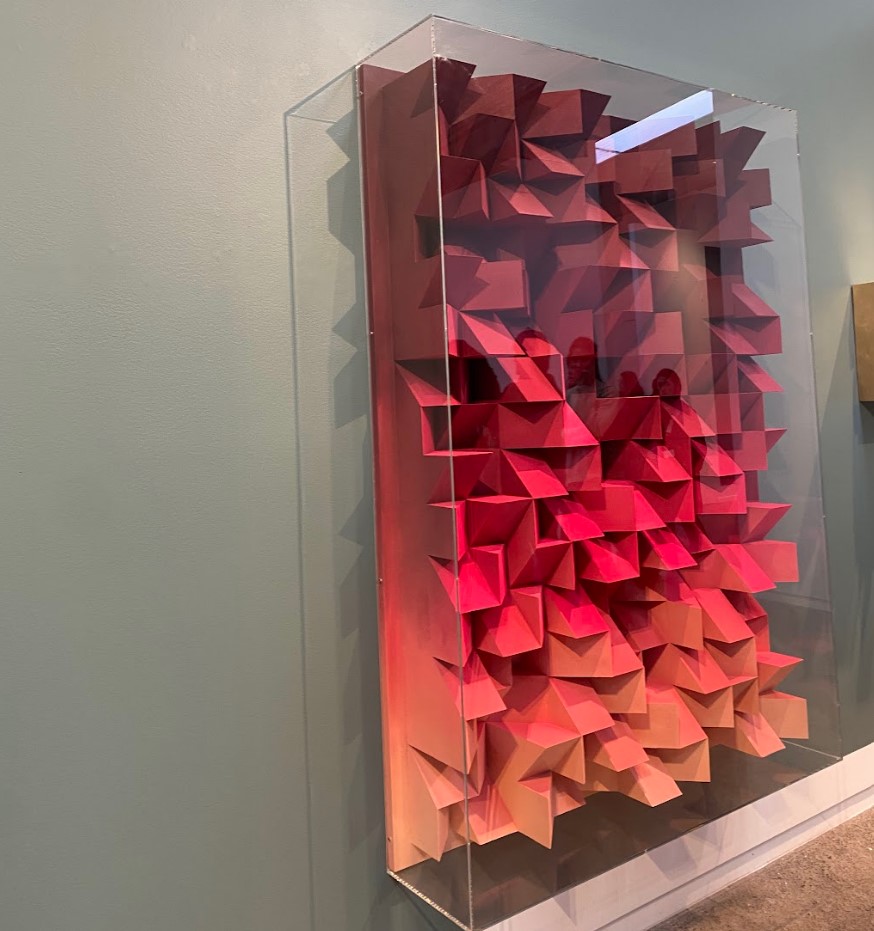
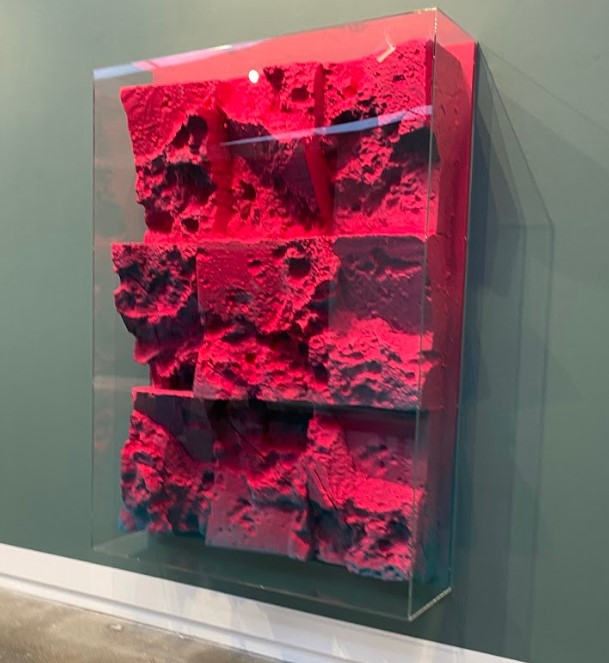
hokuSaiSunriSe, 2023
Spray paint on polystyrene & wood in acrylic glass box
170 x 120 cm
sOmekindOfblushing, 2023
Spray paint on polystyrene & wood in acrylic glass box
170 x 120 cm
rEdrumblE, 2023
Spray paint on polystyrene & wood in acrylic glass box
170 x 120 cm
Jan Albers artworks are displayed at Fox Jen McCrory. Albers work demonstrated the play of light and shadows using shapes and textures. The “rEdrumblE, 2023” work interested me more with the use of blue/green spray paint for the shadows underneath. I thought it was a perfect touch to the work as it wasn’t too much or too little fo the painting.
 Crystal Monique Biaño